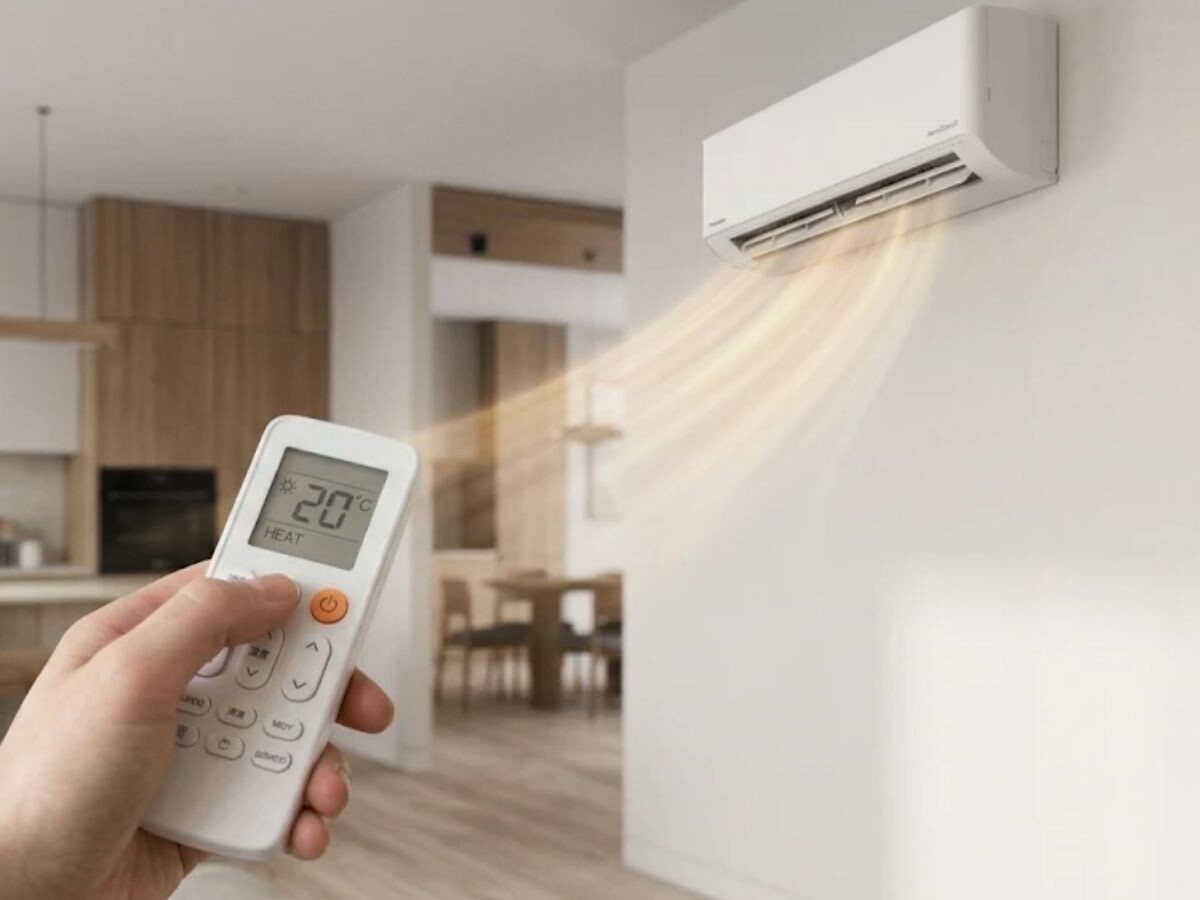
It's that time of year again. The thermometer in Belgium is once again hitting over 30 degrees, the air inside the house feels stuffy again, and a good night's sleep There's hardly any. You reach for the remote control for your air conditioning system, but hesitate for a moment. Because you wonder what that refreshing coolness will mean for your energy bill.
We hear these doubts AeroConsult often. Many households therefore wonder why they should use an air conditioner during a heat wave if it costs you hundreds of euros extra each month. But the answer is actually simple. This fear is based on a myth about airco’s. That's why we'll explain exactly how much energy an air conditioner actually uses during a heat wave and show you how you can enjoy a cool home affordably on the hottest summer days.
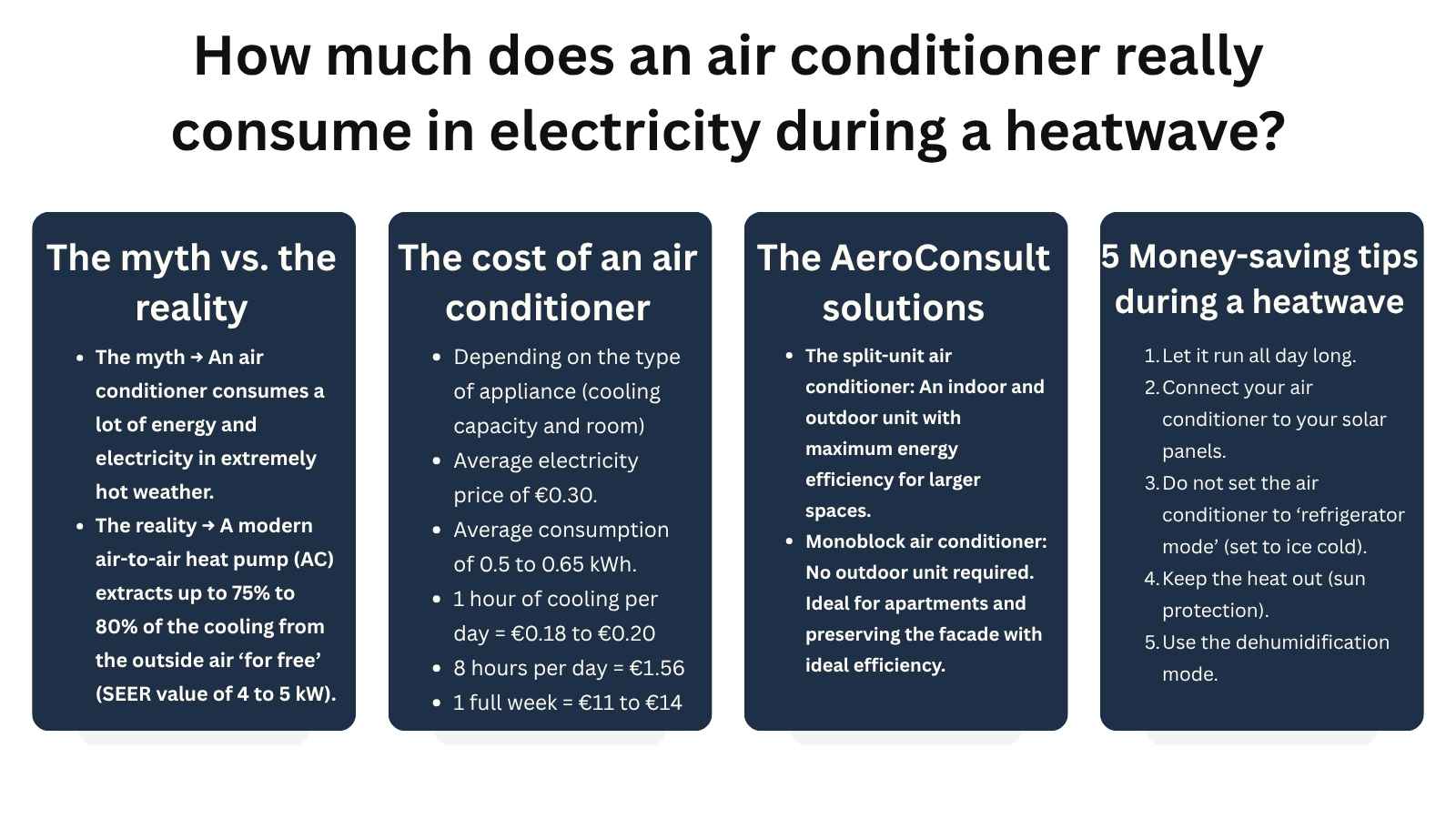
Does an air conditioner use a lot of electricity during a heat wave? Here are the facts
Let's make one thing clear right away: the idea that a modern air conditioner is an energy guzzler that your energy bill The idea that it causes a huge spike in energy consumption during a heat wave is a myth. Yet many people are afraid to turn on their air conditioning as soon as it gets tropically hot. But where does this fear come from? And is there any truth to it at all?
How a Modern Air Conditioner Really Works During a Heat Wave
The fear of a sky-high energy bill stems from the fact that people compare a modern air conditioner to an old one, which is often portable air conditioner or an electric heater. These convert 1 kWh of electricity into at most 1 kWh of cooling or heating.
A permanent, modern air conditioning system Today's is an advanced air-to-air heat pump. Contrary to what many people think, a modern air conditioner doesn’t suddenly have to work five times as hard when it’s 30°C or 35°C outside. The system doesn’t cool by producing ice-cold air, but by simply absorbing the heat from your home and moving it outside.
Thanks to modern inverter technology and environmentally friendly refrigerants, they achieve our air conditioners even during a heat wave, an extremely high SEER (seasonal energy efficiency ratio) of 4 to as high as 5 kWh.
- What does this actually mean on a sweltering summer day? For every 1 kWh of electricity the air conditioner draws from the outlet, the system delivers up to 4 to 5 kWh of cooling capacity. So even when it’s 32°C outside, you still get 75% to 80% of your cooling ‘for free’ simply from the unit’s thermodynamic operation. No other appliance in your home cools as efficiently in extreme temperatures.
But then why do some people still have high electricity bills?
If the device itself is like that economical is, so where do the stories about sky-high consumption come from? during a heat wave? The answer is simple: high energy consumption from an air conditioner is almost never due to the unit itself, but rather to incorrect settings and improper use.
These are the most common mistakes that unnecessarily drive up your air conditioner's energy consumption.
- Extreme temperature differences: Also known as ‘the fridge glitch’ ... It's 32°C outside, and when I get home, I immediately set the AC to 18°C. The compressor then has to run at 100% peak power for hours to achieve this massive temperature drop.
- The ‘on-and-off’ yo-yo effect: Don't turn on the air conditioner until it's already like a sauna inside; then turn it off again as soon as the house feels cool, and turn it back on full blast an hour later. This constant cycling at maximum power consumes a lot of energy—and therefore electricity.
- Cooling for your surroundings: Leave the windows tilted open or the doors ajar while cooling your home. Warm outside air will then flow in continuously, causing the air conditioner to work constantly without ever being able to cool your home to a stable temperature.
- Do not use sunshades: When the sun shines through the glass unimpeded, it creates a greenhouse effect that forces the air conditioner to run continuously at full power.
The conclusion? An air conditioner isn't inherently an energy guzzler. If you set the right temperature and let the unit run quietly and continuously, you can cool your home surprisingly affordably.
AeroConsult's Energy-Efficient Air Conditioning Solutions
Do you want to enjoy, during these increasingly hot and sweltering summers, a comfortable indoor environment without the fear of your energy bill? Then choosing the right air conditioner is crucial. At AeroConsult, we install only high-efficiency air conditioning systems Featuring the latest inverter technology and a green energy rating (A++ to A+++).
1. The split-unit air conditioner
Our split-unit air conditioner It consists of a quiet indoor unit and a compact outdoor unit. This type of air conditioning system is the leader in energy efficiency. Because the compressor is located in the outdoor unit, the system can efficiently remove heat from indoors in an optimal and extremely quiet manner.
- Ideal for: Large living spaces, open kitchens, or if you want to cool multiple rooms at the same time.
- Energy Advantage: Very high SEER ratings, which keep power consumption to a minimum even during a prolonged heat wave.
2. The Monoblock Air Conditioner
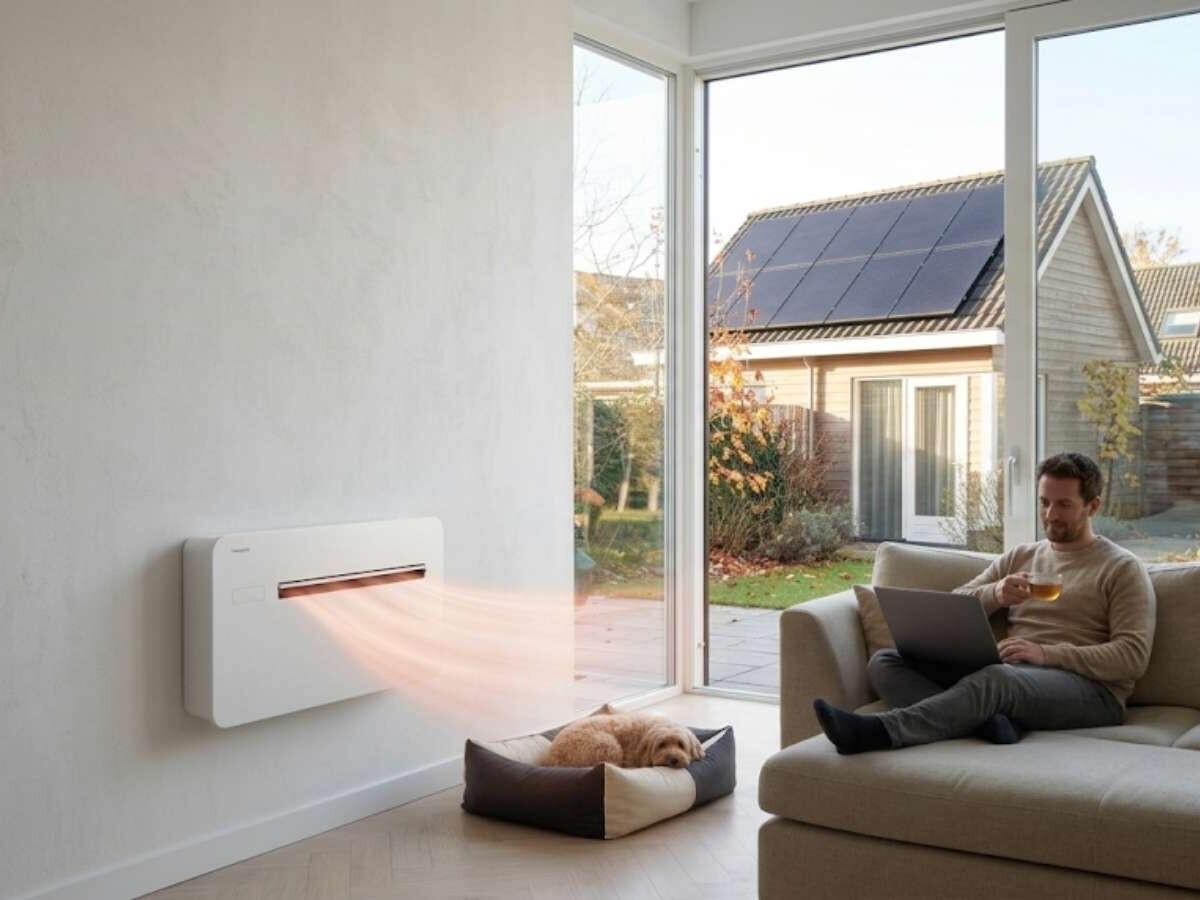
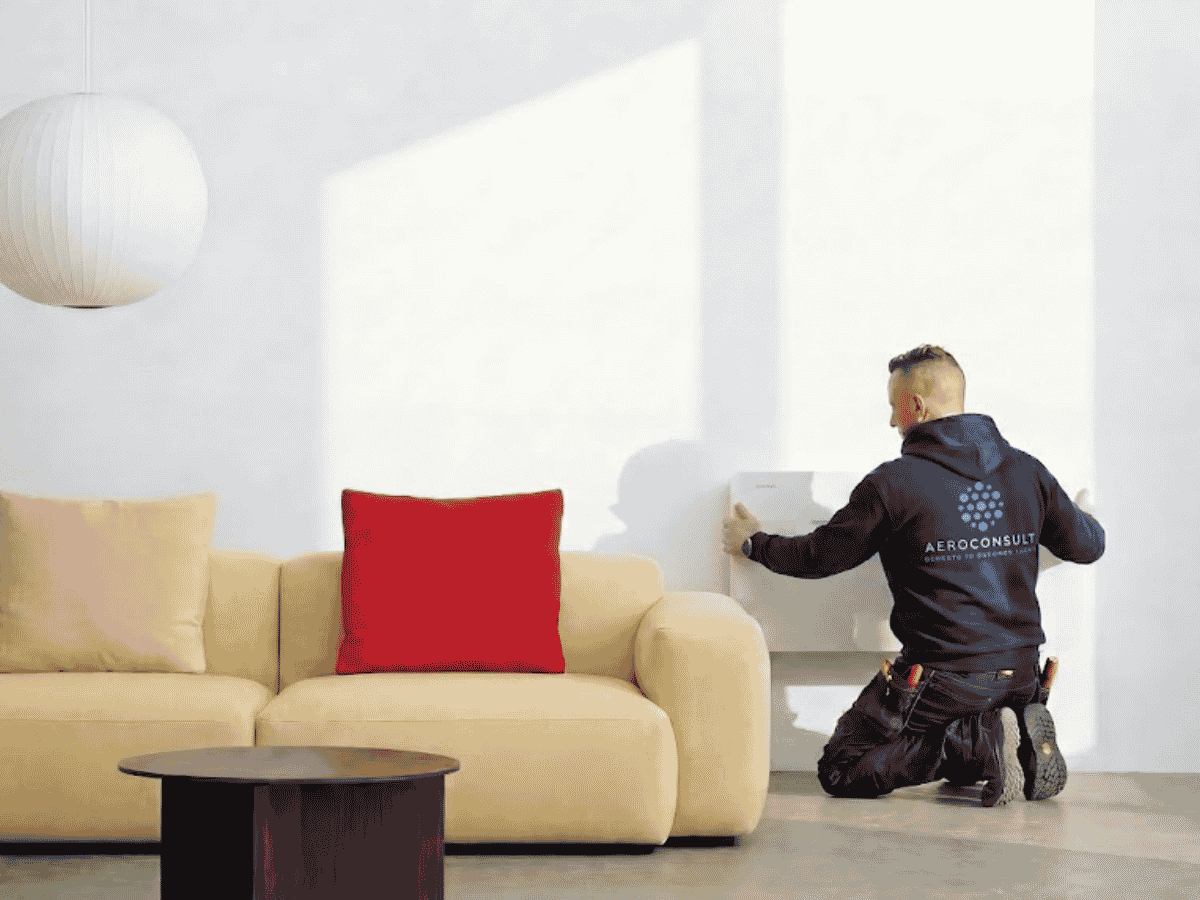
Do you live in an apartment, a protected building, or do you want to aesthetic reasons No outdoor unit on your building's exterior? Then our monoblock air conditioner The perfect solution. All the technology is built into a sleek indoor unit. Only two discreet vents in the exterior wall are needed for efficient cooling.
- Ideal for: Apartments, bedrooms, and areas where an outdoor unit is not permitted or desired.
- Energy Advantage: Equipped with the same modern inverter technology as split-system units, allowing you to enjoy top-notch efficiency without the need for complicated demolition work.
How much electricity does an air conditioner actually use during a heat wave?
Let's put it to the test. How many euros does intensive cooling cost with a modern air conditioning system from AeroConsult What's it really like during a heat wave in Belgium?
Of course, when considering these estimated prices, you need to take a number of factors into account, as the price may vary in certain areas. That’s why it’s important to know that we factor these considerations into our calculations.
- Device: A split-unit air conditioner of a monoblock air conditioner With a cooling capacity of 2.5 to 3.5 kW, suitable for a spacious bedroom or a living area of 30 to 40 m².
- Average power consumption: Once the room has reached the desired temperature, the air conditioner consumes an average of 0.5 to 0.65 kWh per hour.
- Average electricity price in Belgium: Approx. €0.30 per kWh, including all grid fees and taxes.
How much does 1 hour of air conditioning cost in electricity?
To calculate the cost of running the air conditioner for 1 hour, multiply your system’s hourly power consumption by the electricity rate. In our case, that’s 0.65 kWh multiplied by an electricity rate of €0.30. That means the cost of running the air conditioner for one hour averages between €0.18 and €0.20.
So how much does it cost to run an air conditioner on a sweltering summer day?
Suppose it's tropically hot outside—another heat wave—and you let the air conditioner run at a comfortable setting for 8 hours:
- Daily consumption: 8 hours × 0.65 kWh = 5.2 kWh per day
- Daily cost: 5.2 kWh × €0.30 = €1.56 per day
The verdict: Enjoying a wonderfully cool home and a comfortable night's sleep all day and night costs you barely €1.50 to €2.00 per day with our energy-efficient air conditioning systems. If an intense heat wave lasts a whole week, the total cost would be about €11 to €14.
Smart Ways to Save: 5 Tips to Keep Your Energy Bill Down When Using Your Air Conditioner During a Heat Wave
A high-quality air conditioner from AeroConsult It's already very energy-efficient on its own, but with these smart energy-saving tips, you can keep the costs of running your air conditioning system to an absolute minimum during a heat wave:
- Let the air conditioner run gradually: Constantly turning the air conditioner on and off is the biggest source of electricity consumption. That’s why leaving your air conditioner on is more cost-effective during extremely hot weather. It’s highly recommended. That’s because once the walls and furniture in your home have warmed up, the unit has to run at 100% peak power every time it restarts. Set the air conditioner to a stable temperature early in the morning (e.g., 22°C or 23°C). The system then only needs to maintain the temperature and runs at a low, energy-efficient level all day long.
- Connect your air conditioner to your solar panels: During a heat wave, the sun shines constantly. That’s bad news for indoor temperatures, but excellent news for your solar panels. This is the perfect time for direct self-consumption. Let the air conditioner cool your home during the day using the electricity you generate yourself with your solar panels. This way, you can cool your home virtually for free during peak hours.
- Don't turn on the air conditioner ‘refrigerator mode’: The greater the difference between the outdoor and indoor temperatures, the harder the compressor has to work. Is it 32°C outside? Then don’t set the AC to 18°C—set it to 23°C or 24°C instead. This still feels pleasantly cool, prevents a thermal shock when you step outside, and makes a big difference in your electricity consumption.
- Keep the heat out physically: An air conditioner can only operate efficiently if the sources of heat are addressed. During the hottest hours of the day, consistently keep all windows and doors closed. Lower the roller shutters or blinds before the sun beats down on the windows. That way, the air conditioner won’t have to constantly fight against the incoming radiant heat.
- Use the dehumidification mode when the weather is unpleasant and muggy: Heat Waves in Belgium are often accompanied by high humidity. Warm, humid air feels much warmer than dry air. By turning on the air conditioner to the dehumidification mode When set to this mode, the unit removes moisture from the room. The perceived temperature drops dramatically right away, while the unit consumes even less power than in standard cooling mode.
Enjoy a refreshing summer without financial stress
The fear of a high energy bill doesn't have to your sleep and Summer Comfort no longer be a hindrance. A modern air conditioner isn’t an energy guzzler, but an efficient air-to-air heat pump that transforms your home into a pleasant oasis during a heat wave for just a few euros a day. Combine this with solar panels And if you use it wisely, you can even cool your home almost for free.
Curious What type of air conditioner? What's the best fit for your specific situation and budget? The experts at AeroConsult are here to provide honest, no-obligation, personalized advice. Ask today Your Free Expertise Sign up and enjoy the perfect indoor climate soon.
Want to learn more about the benefits of air conditioners? Check out our latest blog posts now.