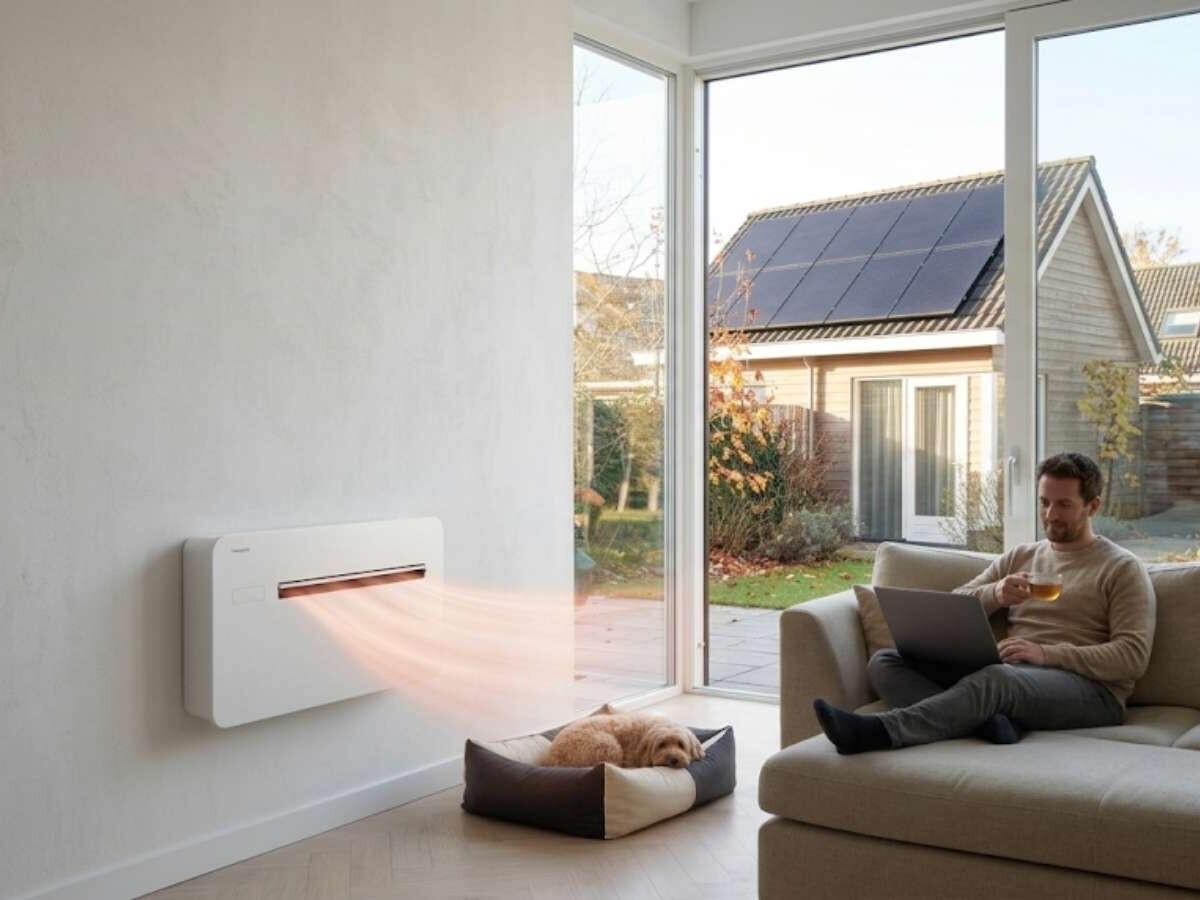
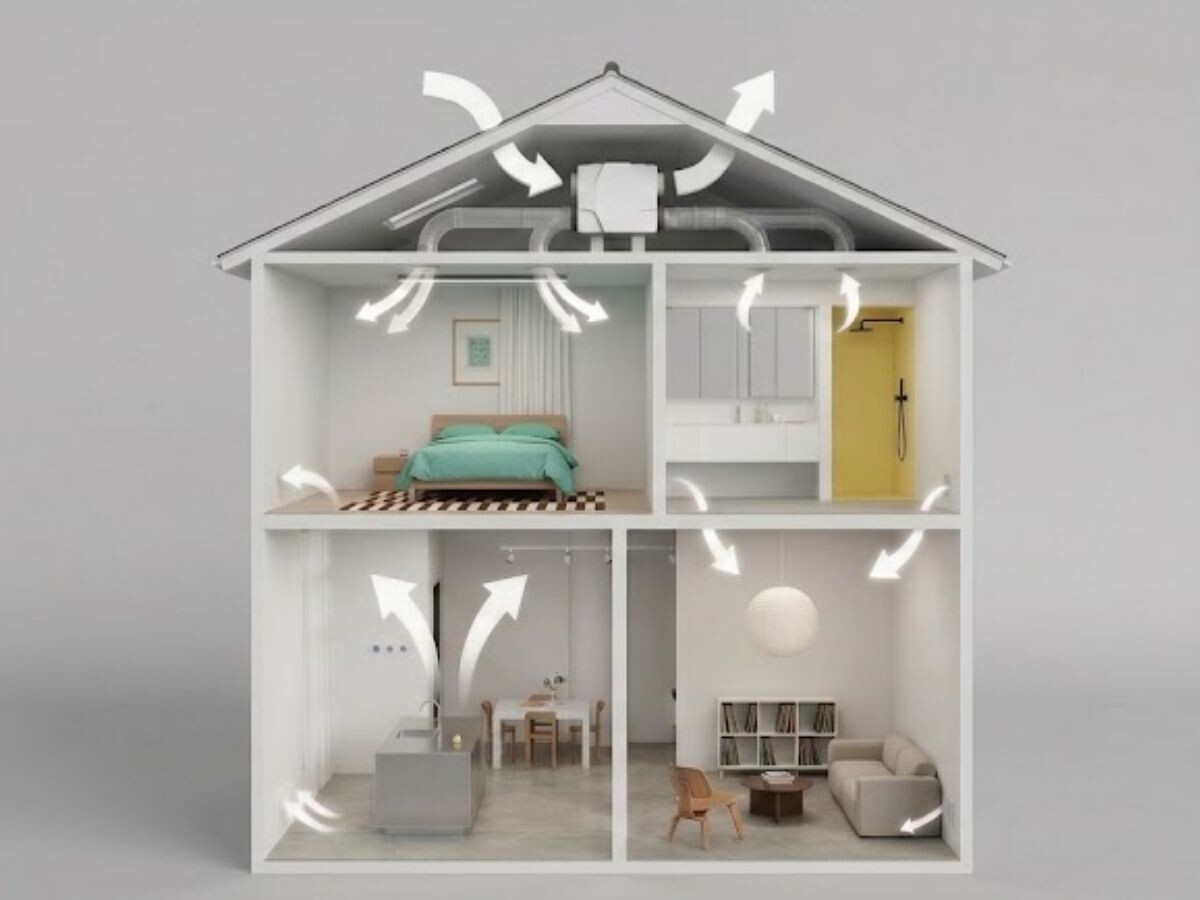
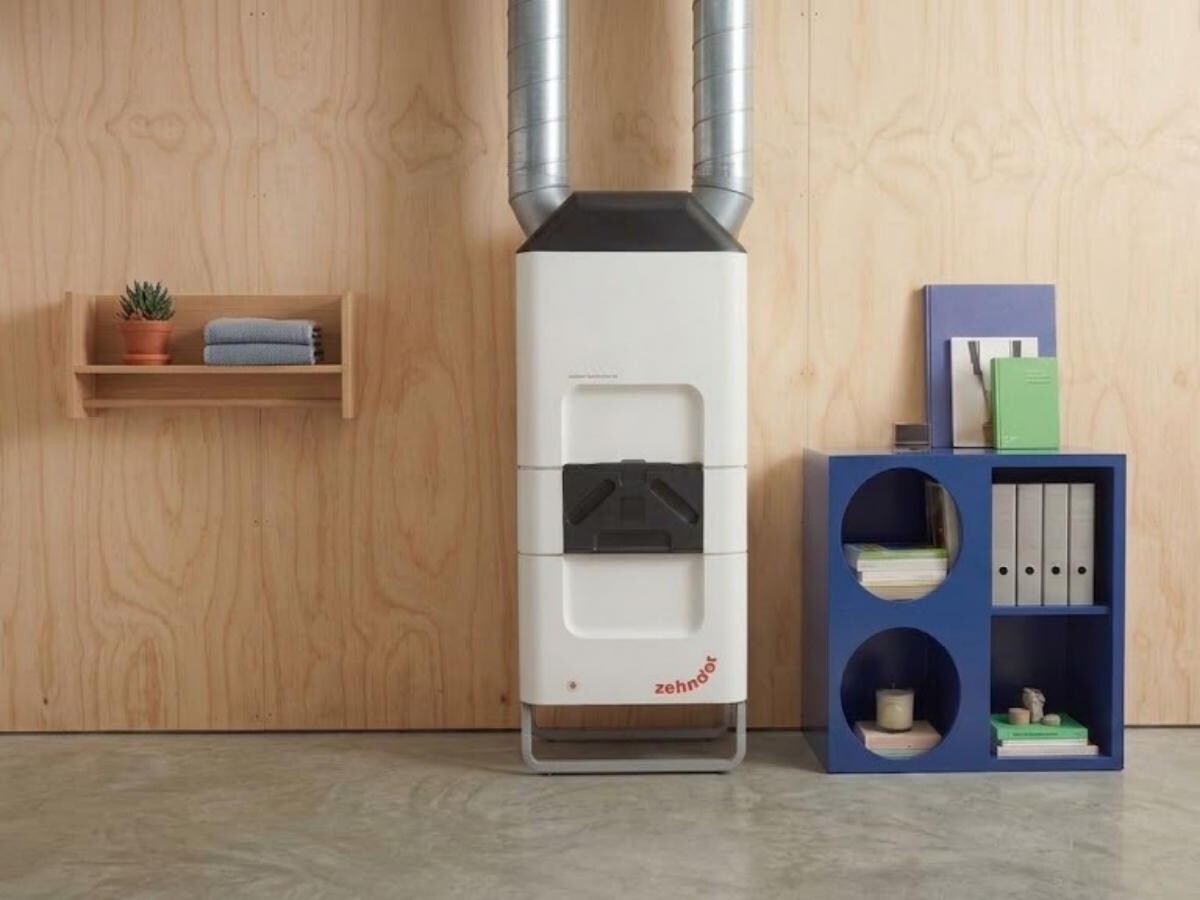
Does your living room stay cool despite the heating from the air conditioner, or do you feel an unpleasant draft when you're sitting on the couch? At AeroConsult Let's leave nothing to chance when it comes to your home comfort, and that starts with properly winterizing your air conditioning installation. Because warm air naturally rises, heating with an air-to-air heat pump It's simply a different approach than cooling in the summer.
Here at AeroConsult, we’ll walk you through, step by step, how to use your air conditioner to heat your home without drafts and in an energy-efficient way. No complicated technical jargon—just practical guidelines that will let you feel the difference in your home within minutes.
Why does it feel cold or drafty when you heat your home with an air conditioner?
When an air-to-air heat pump If your home isn't comfortably warm in the winter, it's rarely due to a malfunction of the heating system. In practice, our technicians at AeroConsult have identified various reasons why a room might remain chilly or why you might experience an annoying draft in your home.
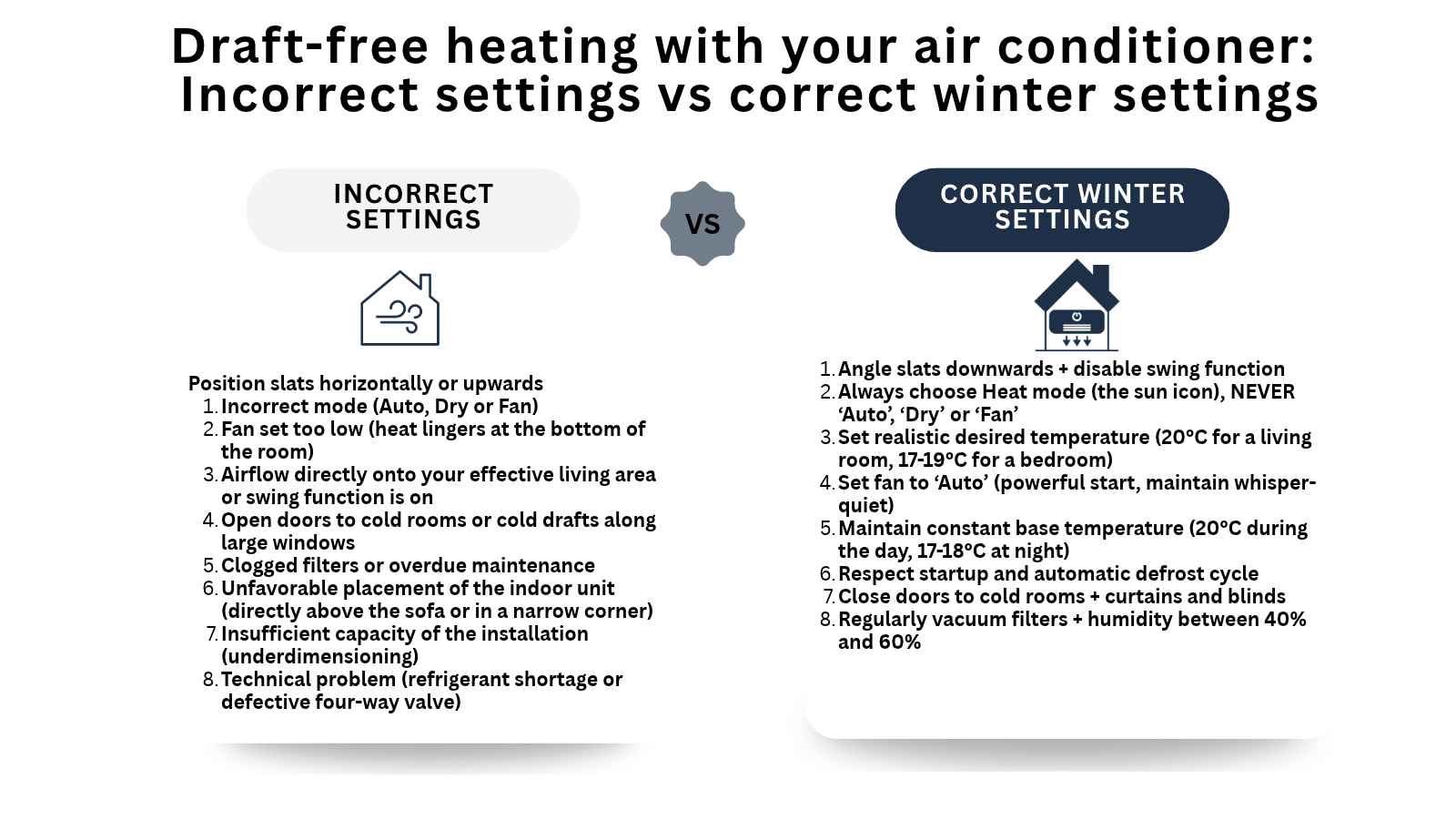
- The blinds are horizontal or raised: this is the main culprit behind poor indoor comfort in the winter. Warm air is lighter than cold air and rises directly to the top of the room. If the blinds are still in the summer position, the heat gets trapped near the ceiling while it remains cool at seating height.
- The unit is not set to the correct mode: during the transitional season, an air conditioner often remains set to ‘Auto’ (automatically switching between cooling and heating) or ‘Dry’ (dehumidify), or ‘Fan’ (ventilation). In these settings, the unit simply circulates the air without actively heating it, which immediately feels like a cold draft in the house.
- The fan speed is set too low: out of fear of too much noise or airflow, many people set the fan to the lowest setting. As a result, heat builds up around the indoor unit. The internal sensor then assumes the room is already warm enough and reduces the power output, while the rest of the living space remains cool.
- The airflow blows directly onto your seating area: moving air draws heat away from your skin. Even when the air conditioner blows air at 28°C, you’ll experience it as an annoying breeze if the airflow is constantly directed straight at your couch, desk, or dining table, or if the swing function continuously sends alternating air currents across the room.
- Cold air currents from adjacent rooms or cold drafts: Are you only heating the living room, but is the door to the hallway or open staircase left open? If so, cold air is constantly seeping in along the floor. Large and poorly insulated windows also cause cold air to settle along the floor, which makes your feet feel colder inside the house.
- Clogged filters or overdue maintenance: dust and dirt on the filters and the heat exchanger block the airflow. The air conditioner is then unable to release enough heat into the room, which reduces its efficiency and causes the room to heat up much more slowly.
- Poor placement of the indoor unit: Is the indoor unit mounted directly above the sofa or in a narrow corner where the airflow hits a wall or cabinet? If so, the warm air cannot circulate freely throughout the room, and the airflow becomes too concentrated in one spot.
- The unit lacks sufficient capacity: it is undersized. When the air conditioner’s capacity is too low for the size and insulation level of the room, the unit must run continuously at full power to heat the space. This results in a lot of air movement without the room actually becoming comfortably warm.
- A technical problem, such as a refrigerant leak: Do you notice that after 15 minutes, the air conditioner is only blowing out lukewarm or cool air, even though the settings are correct? If so, there may be a leak in the refrigerant circuit or a faulty four-way valve—the component that switches between cooling and heating.
Fortunately, most of these annoying issues are simply due to the settings on your remote control for your air conditioning installation and you can solve them yourself in just a few seconds.
How can you instantly get rid of that unpleasant feeling of being cold or drafty? The ideal settings for using your air conditioner to heat your home
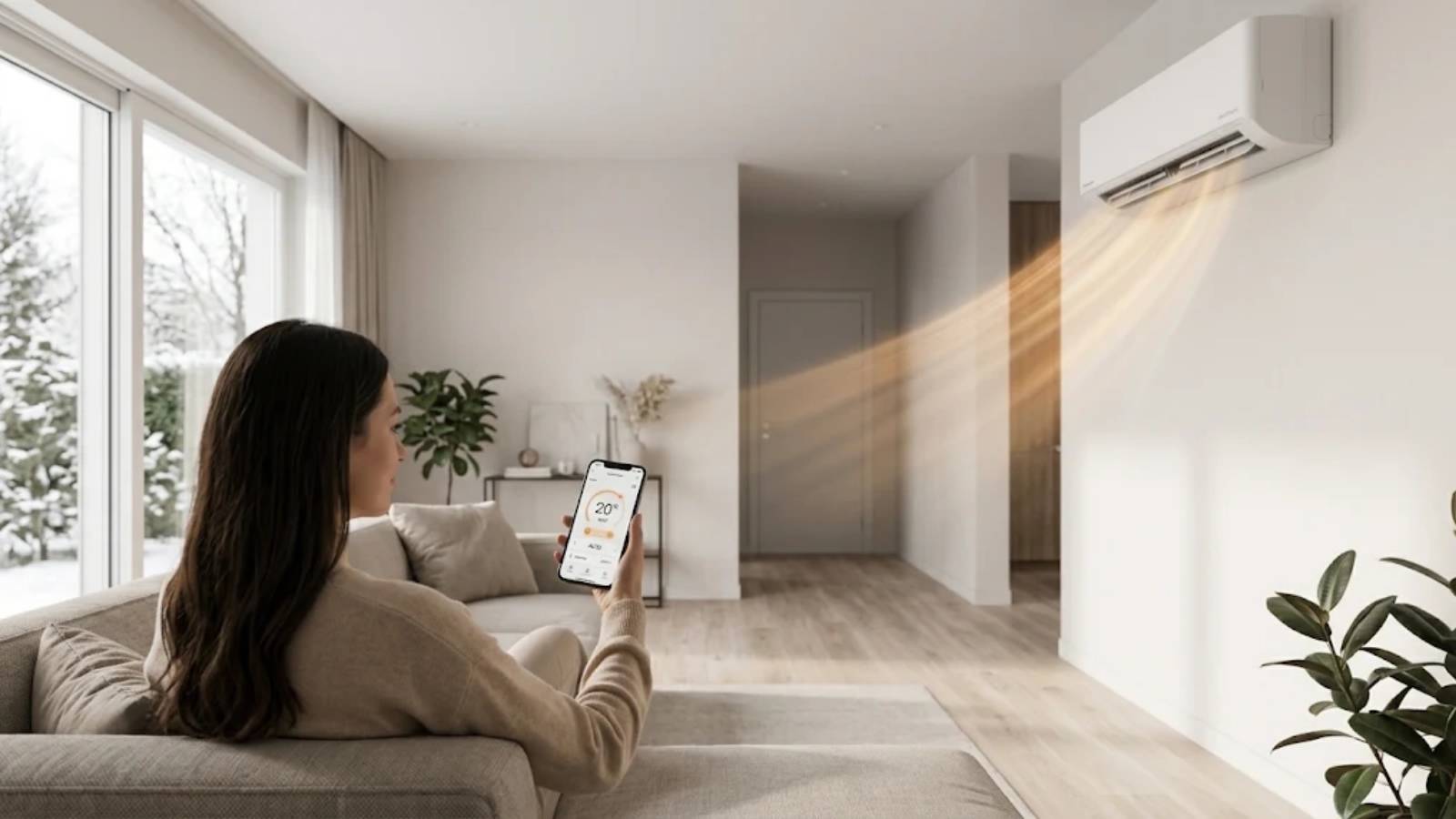
With a few targeted adjustments to your remote control or smartphone app—and some smart habits around the house—you can instantly turn a chilly draft into even and comfortable warmth. At AeroConsult, we recommend a few steps to ensure the best winter comfort in your home.
- Tilt the louvers downward at an angle and direct them away from your seating area: angle the horizontal louvers of your indoor unit downward toward an open area of floor in front of your living space. This way, the air conditioner pushes the warm air down into the room, where it then rises and mixes evenly with the cooler indoor air. Do you also have vertical louvers to direct the air to the left or right? If so, point them away from your sofa, dining table, or desk. Also, turn off the automatic swing function. A fixed, angled position provides the most comfortable and draft-free feeling of warmth.
- Always select Heat mode or the sun icon: check the display on your remote control or app to make sure the sun icon is selected. Only in this mode does the air-to-air heat pump cycle reverse, allowing your unit to deliver warm air. So, never leave the unit set to ‘Auto,’ ‘Dry,’ or ‘Fan’ in the winter.
- Set a realistic temperature: start with a desired temperature of 20°C in the living room and 17 to 19°C in the bedroom. Keep in mind that the indoor unit’s temperature sensor is located at the top of the unit. Since it’s always slightly warmer near the ceiling than at seating height, there’s no point in setting the thermostat directly—and especially not suddenly—to 26°C. Adjust the louvers to point downward and give the room half an hour to warm up.
- Set the fan speed to ‘Auto’: let the fan run on ‘Auto’ instead of on the lowest, quietest setting. Modern inverter units You can control the fan speed entirely on your own. When the unit starts up, it blows a bit more powerfully to push the heat down to floor level, and as soon as the room reaches the desired temperature, the fan automatically switches back to a whisper-quiet setting. Always allow 20 to 30 minutes for each adjustment to take effect before making any further changes yourself.
- Maintain a constant base temperature: thanks to inverter technology, it adjusts a modern air-to-air heat pump set its power level. Maintaining a stable base temperature is much more energy-efficient and draft-free than heating a completely cooled-down room at full power. For example, keep the temperature at 20°C during the day and lower it to 17–18°C at night or when you leave for work. Using the timer or app, you can let the room gently preheat for half an hour before you get home. With an average SCOP value Between 4.0 and 5.0, 1 kWh of electricity yields 4 to 5 kWh of heat.
- Please be patient during the startup delay and defrost cycle: Does your air conditioner not blow warm air right away after you turn it on? That’s the built-in anti-draft protection. First, the heat exchanger inside warms up, so the fan doesn’t start running gently until after 5 to 10 minutes to ensure you don’t feel any cold air. Even on damp, cold winter days around freezing, the unit will occasionally pause for a few minutes to allow the outdoor unit to undergo an automatic defrost cycle. Let this process run its course and do not increase the temperature in the meantime.
- Close doors to cold rooms and minimize cold drafts: even the best-adjusted air conditioner will struggle if warm indoor air escapes directly. Keep doors to unheated rooms closed so that cold air doesn’t seep into the living room along the floor. Do you have large windows? Then close your curtains or blinds in the evening to prevent cold drafts along the glass and better retain heat inside.
- Create the filters Clean regularly and be careful humidity: If you use your air conditioner extensively for heating in the winter, vacuum the filters of your indoor unit every few weeks. Clean filters ensure free air circulation and optimal performance of your air conditioning system. Also, check the relative humidity in your home, which should ideally be between 40% and 60%. At the same temperature, dry winter air feels cooler than indoor air with a healthy humidity level.
The difference between summer and winter settings at a glance
Not sure if your air conditioner is still set to summer mode? It's easy to tell the difference.
Whereas in the summer you’d choose ‘Cool’ mode or the snowflake icon, point the louvers horizontally or upward, and set the temperature to 23 to 25°C, in the winter you do the exact opposite. For a comfortable, draft-free indoor climate in the winter, always select “Heat”mode or the sun icon, set the fan to “Auto,” turn off the swing function, angle the louvers slightly downward, and maintain a constant temperature between 19 and 21°C.
Which air conditioners allow you to heat without drafts? Split-unit vs. monoblock
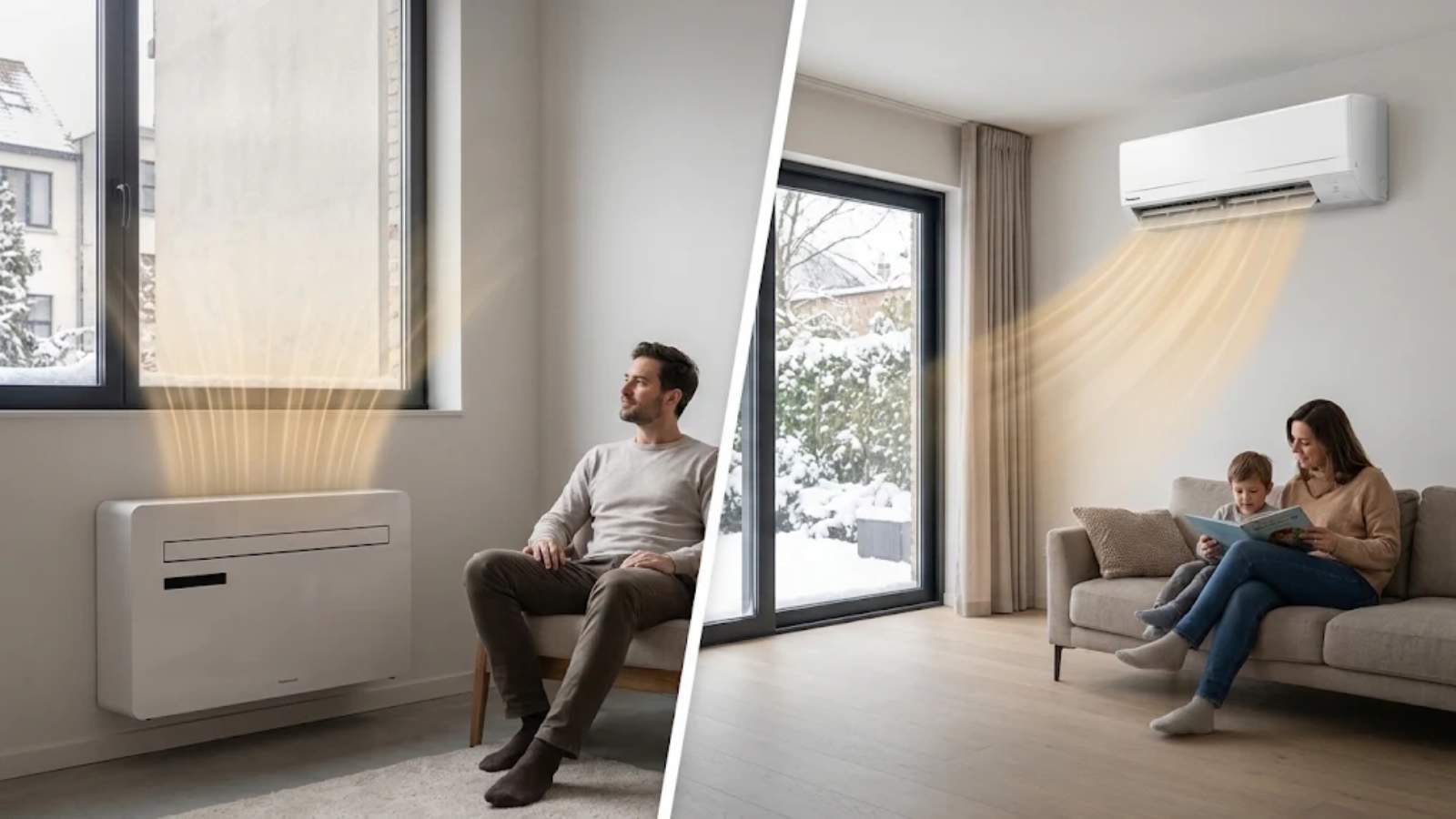
Not every air conditioner is suitable for heating your home comfortably and draft-free in the winter. If you really want to heat your home comfortably without feeling any drafts, you'll need a built-in reversible air-to-air heat pump required. At AeroConsult, we work with two types of air conditioning systems: the split-unit air conditioner and the monoblock air conditioner. Both operate with a closed indoor air circulation system and use inverter technology to release heat gradually.
1. Split-unit air conditioners (single-split and multi-split)
A split-unit air conditioner consists of one or more indoor units connected to an outdoor unit via refrigerant lines. This air conditioning system heats your home comfortably and without drafts thanks to a combination of smart technology and targeted air distribution.
- Precise louver control and 3D airflow distribution: Modern split-system units feature wide louvers that direct the warm air diagonally downward. This brings the warmth down to floor level without the airflow blowing directly onto your seating area or dining table.
- Choosing a floor-mounted model: In addition to the familiar wall-mounted model, with a split-unit system you can opt for a floor-mounted model that hangs low against the wall. Because this unit blows heat out close to the floor, it creates a very natural warmth similar to that of a traditional radiator, but without cold feet or drafts at seating height.
- Stepless modulation and whisper-quiet operation: because the compressor is located in the outdoor unit, the indoor unit can heat the room quietly. Once the room reaches the desired temperature, the compressor reduces its output and the fan slows down to a barely perceptible airflow that gently maintains the heat in the room.
- Consistent temperature across multiple rooms: With a multi-split air conditioning system, you can heat different rooms at the same time using a single outdoor unit. Because adjacent rooms or an open kitchen also stay at the right temperature, you avoid cold drafts that would otherwise come across the floor from cooler areas.
2. Monoblock air conditioner
Do you live in an apartment where an outdoor unit cannot be installed, or do you live in a home with a protected facade? If so, then a monoblock air conditioner A heat pump is the solution. With this unit, all components are housed in a single indoor unit, with just two discreet ventilation grilles facing the outside. A monoblock unit also provides draft-free heating.
- Low wall mounting ensures natural heat distribution: in most cases, a monoblock is installed low on an exterior wall. Because warm air naturally rises, the heat is released directly into the lower layer of air in the room. This means the fan does not need to force the air downward as vigorously as with a higher wall-mounted model, which reduces the risk of a noticeable draft in the room.
- Closed-loop air circulation with no cold drafts: just like a split-unit air conditioner, a monoblock air conditioner uses outside air only through the two ventilation grilles for heat exchange within the unit itself. The indoor air circulates in a completely closed loop, which prevents negative pressure from forming and ensures you won’t be bothered by cold drafts coming from windows or doors.
- Gentle, upward airflow: A monoblock continuously adjusts its heating capacity to meet the heat demand and blows the warm air diagonally upward and away from people into the room. As a result, the room gradually fills with even heat.
Which device is the best fit for your situation?
Do you have space for an outdoor unit and want maximum energy savings combine that with whisper-quiet operation in one or more rooms? Then a split-unit air conditioner, perhaps a floor-standing model, is the best choice for the living room.
If an outdoor unit is not technically or regulatory feasible, then a monoblock air conditioner A comfortable and draft-free alternative for efficiently heating your room or home.
Carefree and energy-efficient heating without cold drafts
Draft-free and comfortable heating with an air conditioner is all about the right settings and air distribution. By angling the louvers downward in the winter, selecting Heat mode, and setting the fan to ‘Auto,’ you’ll prevent warm air from pooling near the ceiling and enjoy even warmth at seating height. Combined with a constant temperature between 19 and 21°C, you’ll get the highest efficiency from your air-to-air heat pump.
Does your living space still feel stuffy despite the correct settings? Do you notice that your current unit needs maintenance? Or are you considering a new split-unit or monoblock air conditioner to heat your home energy-efficiently? At AeroConsult, our experts are happy to help you figure it out. Whether it’s about a thorough maintenance check, technical advice, or a completely new Custom Air Conditioning System of your home or business space in Flanders: We'll make sure you stay comfortable and worry-free this winter. Feel free to contact Contact us or request your free expertise on.
Want to learn more about the benefits of air conditioners? Check out our latest blog posts now.