It’s a familiar scenario during a Flemish heat wave—or summer in general: the sun has been down for hours, but the bedroom still feels like a sauna. You toss and turn from your left side to your right, throw the sheet off, and glance at the clock in frustration. Another hour has gone by without any sleep. When the alarm finally goes off, you get up with a heavy head and a dry throat. Poor sleep due to the heat isn’t just exhausting—it also affects your daily well-being and life. But why exactly is that? And is it actually wise to leave the air conditioner on all night? We at AeroConsult We'll take a closer look at this and provide you with the solution for a healthy indoor environment.
Why do I have trouble sleeping on hot summer nights?
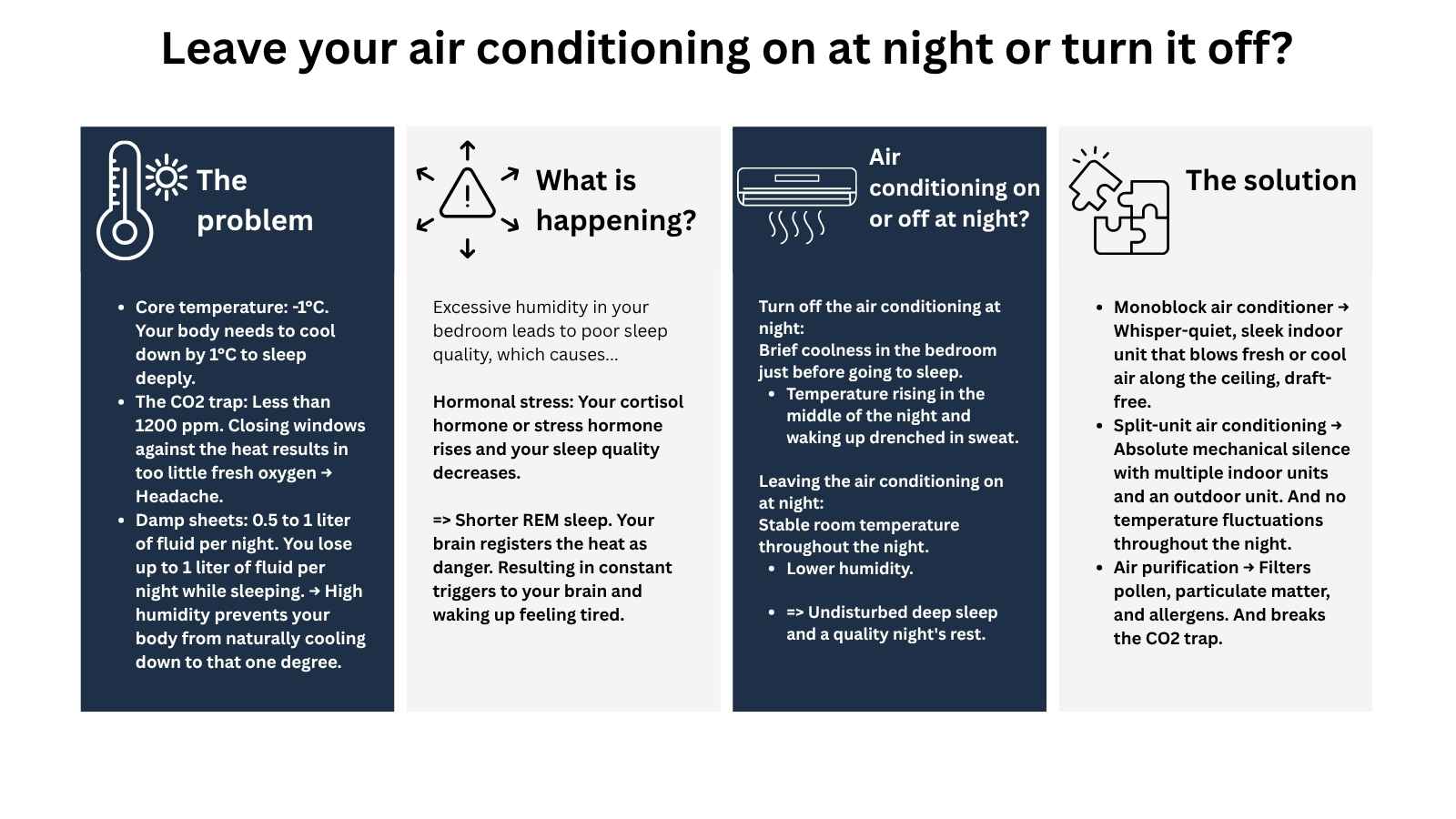
It’s not just your imagination that your biological clock gets thrown off during a heat wave. Sleep is biologically regulated by your circadian rhythm—your internal 24-hour clock—which is directly linked to your internal thermostat. To fall into deep, restorative sleep and stay there, your core temperature—the temperature of your brain and vital organs—must drop by about one degree.
Your body automatically tries to regulate this in the evening through a process called vasodilation. This means that the blood vessels just beneath your skin—especially in your hands, feet, and face—widen to release excess internal heat.
When the temperature in your bedroom rises above 20°C to 22°C, this natural heat dissipation is completely blocked. Because the ambient air is too warm, your body can no longer release its internal heat. In an attempt to cool down, your body goes into a state of hormonal stress.
- Your heart rate increases to stimulate blood flow to the skin.
- Your stress hormone levels rise, while the production of the sleep hormone is suppressed.
- You start to sweat profusely.
The result? Your REM sleep—the deep sleep phase during which your brain mentally recovers and processes the day’s events—is drastically shortened. This is because your brain interprets heat stress as a threat and constantly pulls you out of deep sleep through invisible micro-arousals—activation signals from your brain. You remain stuck in a light, restless sleep and wake up repeatedly. Heat therefore exacerbates insomnia in a biological, demonstrable way.
The Missing Link: Poor Indoor Air Quality
What many people overlook is that insomnia on hot nights isn't just caused by the temperature. It also has to do with air quality in your bedroom or your home in general.
To keep the heat and insects out, we often keep the windows, doors, and roller shutters closed during the day and at night. It’s a logical reflex, but one that has a significant impact on your body. That’s because in a closed-off, compact bedroom, the CO2 level rises to record highs within a few hours due to your own breathing—often well above the safe limit of 1,200 ppm. This lack of fresh air and ventilation leads to a stuffy, oxygen-deprived indoor environment, which directly causes irregular breathing and that typical headache upon waking.
At the same time, an adult body produces as much as 0.5 to 1 liter of fluid per night through breathing and sweating. Because the room is hermetically sealed, the relative humidity in the room rises. This causes the air to become saturated, preventing your sweat from evaporating. Since sweating is how your body cools itself, your internal thermostat is now completely thrown off balance. You stick to your sheets, your body experiences constant physical stress, and you wake up feeling as if you’ve been working all night.
The solution for a blissful and cool night's sleep: AeroConsult's systems
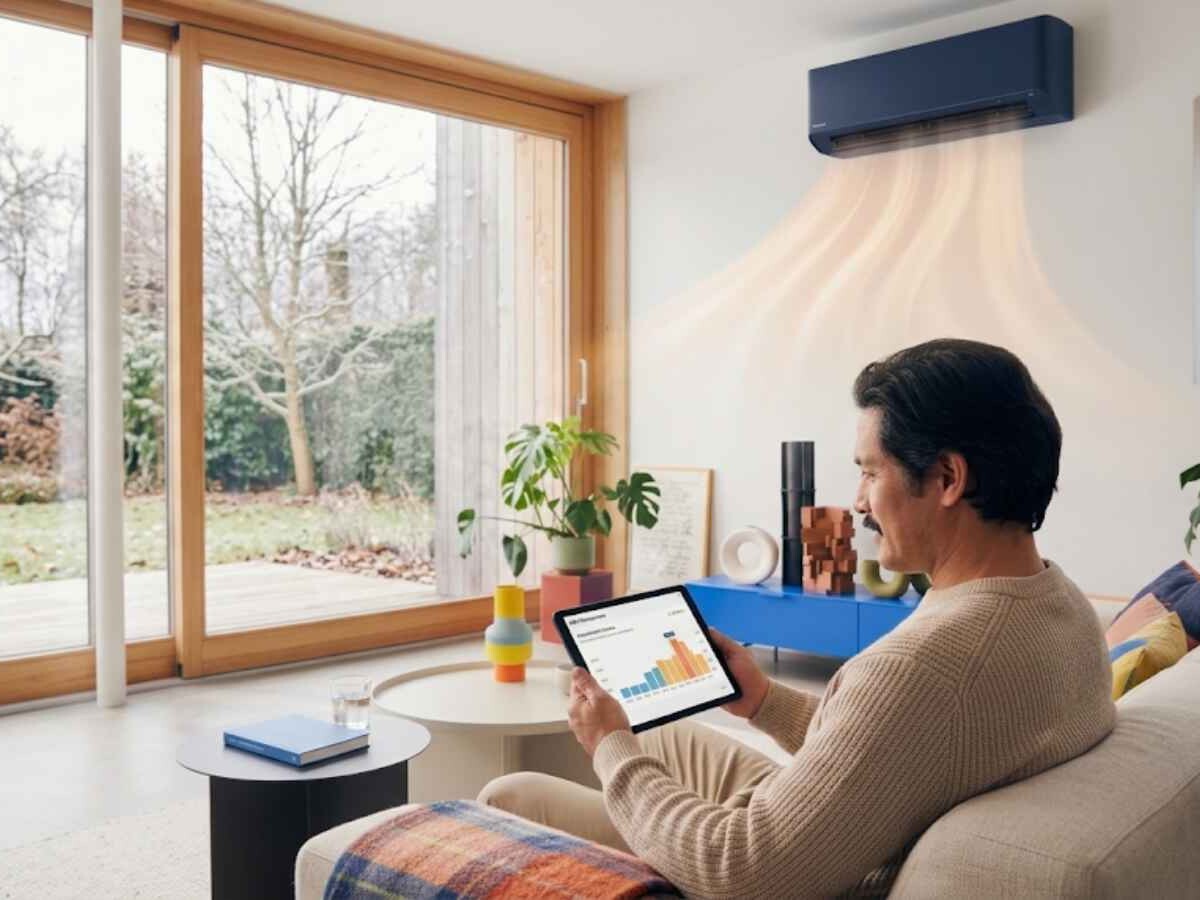
Fortunately, you no longer have to suffer through hot nights in the summer. At AeroConsult, we believe that an optimal indoor climate It is the foundation of a healthy life. That is why we look beyond simply cooling the bedroom. Our Air Conditioning Systems They regulate the temperature, reduce humidity, and optimize the air quality in your bedroom.
Depending on your home and your preferences, there are several smart air conditioning solutions that will transform your bedroom into an oasis of tranquility.
The Monoblock Air Conditioner: The Draft-Free and Quick Solution for the Bedroom
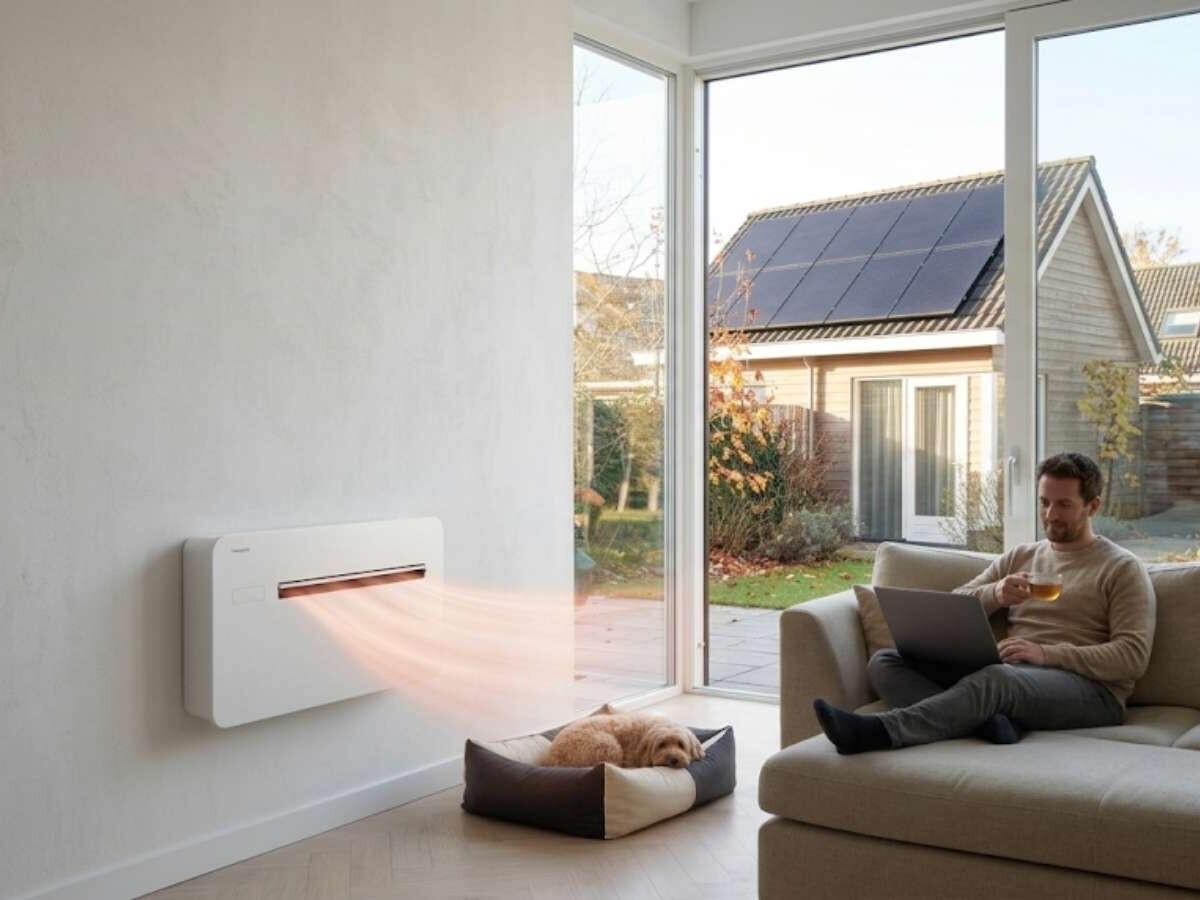
Don't have room for an outdoor unit, or are you not allowed to mount a bulky unit on your building's facade for aesthetic or urban planning reasons? Then the monoblock air conditioner The perfect match for your bedroom. Because all the technology is housed in a single compact indoor unit, only two discreet openings to the outside are needed for air intake and exhaust.
Why is this the right solution for nighttime?
- No draft: Modern monoblock systems use advanced airflow technology. Instead of blowing ice-cold air directly onto your bed, the unit gently pushes the cooled air upward along the ceiling. This causes the temperature to drop evenly and without drafts, allowing your body to cool down without the risk of a stiff neck or muscle soreness.
- Silent as a whisper: The new generation of monoblock air conditioners features a highly insulated compressor and a night mode. This reduces the noise level to a minimum, which is crucial for ensuring you aren’t woken from your light REM sleep.
The Split-Unit Air Conditioner: For Ultimate Quiet and a Stable Core Temperature
For those seeking absolute peace and quiet and the highest energy efficiency, a split-unit air conditioner The standard model. This air conditioning system consists of a slim indoor unit in the bedroom and a separate outdoor unit.
Why is this the right solution for nighttime?
- Absolute mechanical silence: Because the components that produce the most noise—the compressor and the condenser—are located outside on the building’s facade or on the roof, you hear virtually nothing inside. The indoor unit operates at less than 19 decibels on its quietest setting, which is quieter than leaves rustling in the wind. Your brain therefore doesn’t register any disruptive background noise, which prevents it from becoming activated.
- Inverter technology to counteract temperature fluctuations: A split-unit system uses a modulating motor. Instead of constantly turning on and off—which normally causes annoying temperature fluctuations that wake you up—this air conditioning system maintains the sleeping area at the exact, preset, and ideal biological temperature all night long. Your body doesn’t have to fight against these fluctuations and remains in a deep sleep phase.
Active Air Purification: The Solution to the CO2 and Allergen Problem in Warm Weather
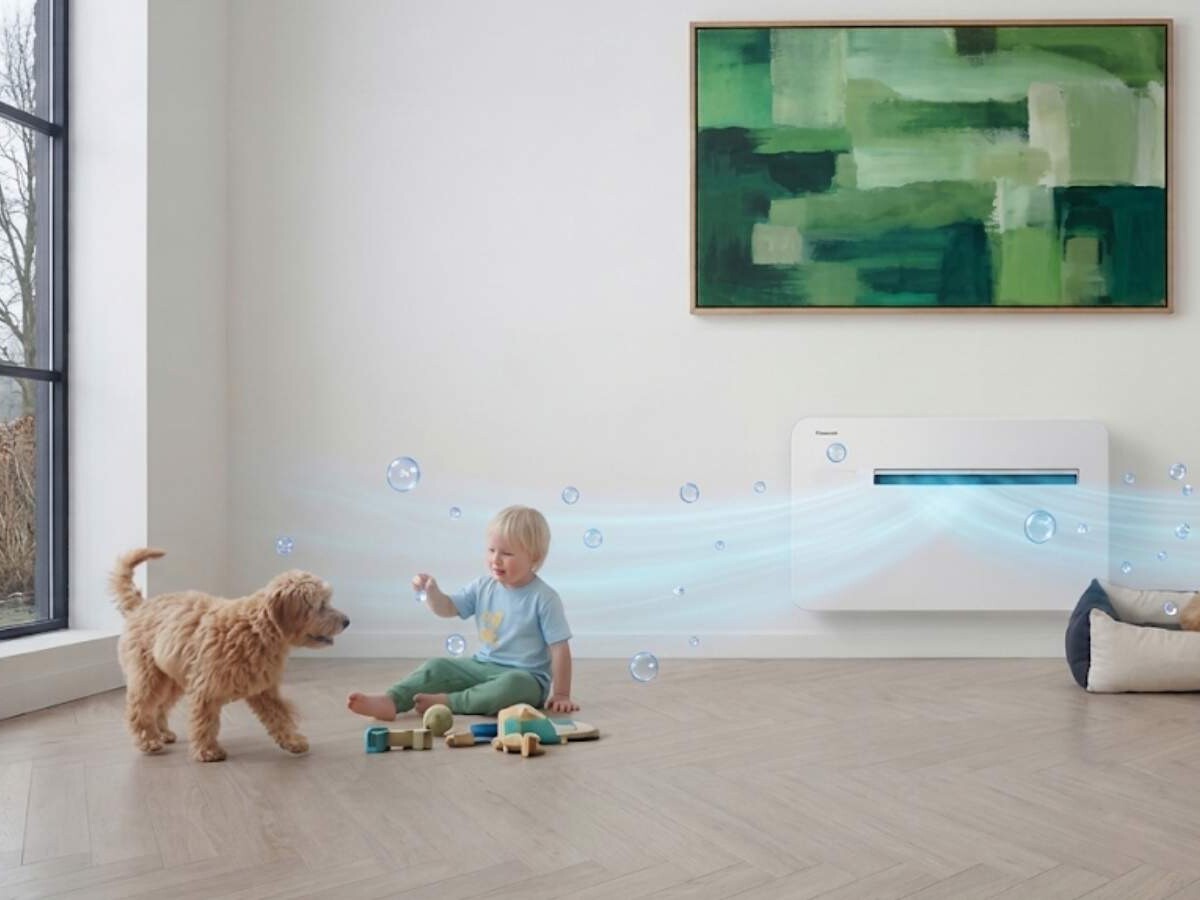
A healthy indoor environment isn't just about the right temperature—it all comes down to the purity of the air you breathe. That's why our systems are equipped with high-quality, multi-layered filter systems for active air purification.
Why is this the right solution for nighttime?
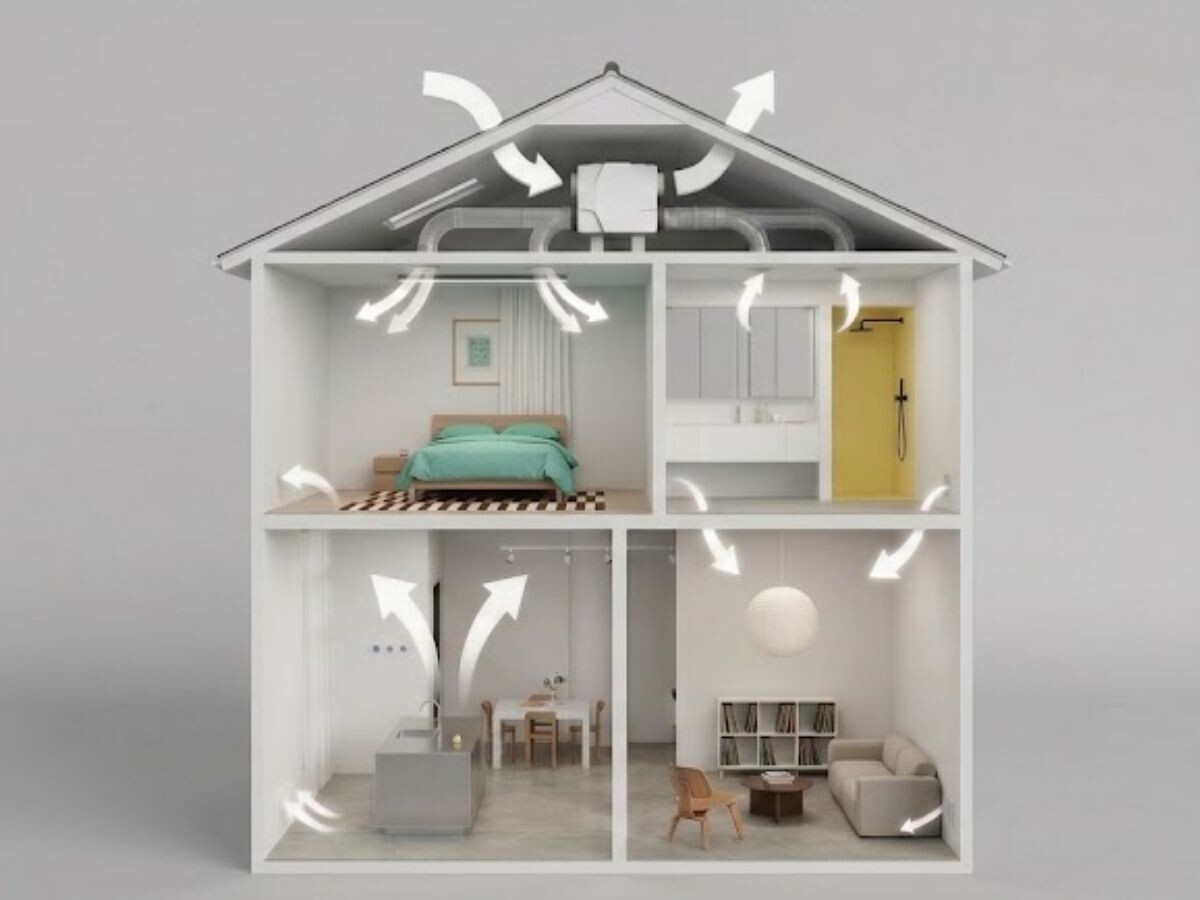
- Breaking Free from the CO2 Trap: While you sleep with the windows closed to keep the heat out, our systems continuously filter and circulate the air. They eliminate that clammy feeling and ensure the air stays fresh and breathable. You’ll no longer wake up with that typical stuffy, heat-induced headache.
- Relief for Allergies and Hay Fever: On warm summer nights, the concentration of pollen, particulate matter, and allergens at their highest levels in the air. If you sleep with the window open, you breathe in these triggers directly. This leads to irritated airways, snoring, and disrupted breathing. The built-in filter systems actively remove bacteria and viruses from the bedroom. You breathe in clean, healthy air all night long, which gives your lungs a rest and significantly improves your sleep.
Should you leave your air conditioner on or turn it off at night?
It’s one of the most frequently asked questions our experts receive: “Can you leave the air conditioner on overnight?‘ The answer is, of course, ”yes.‘ In fact, from a biological standpoint, it’s often much better.
Scenario 1: Turn off the air conditioner before you go to sleep
Many people still choose to tidy up the bedroom right before bedtime to chill until ice-cold and then turn the system off completely as soon as they get under the covers.
- The advantage: You'll save money at that specific moment energy and you're guaranteed not to be bothered by noise or drafts while falling asleep.
- The biological disadvantage: This is a short-term solution. During a hot summer spell, the heat is stored deep within the walls, ceiling, and furniture of your home. As soon as the air conditioner turns off, these elements release their heat back into the bedroom. Within two to three hours, the room temperature rises again to tropical levels. Your body, which had just slipped into a deep REM sleep, is suddenly hit by a wave of heat. You jolt awake, start sweating, and your sleep is interrupted.
Scenario 2: Leaving the air conditioner on at night the smart way
The alternative is to leave the air conditioner on all night at a moderate, steady setting. From an ergonomic and biological standpoint, this is the best choice for a good night's sleep.
- The biological advantage: By leaving the air conditioner on, you maintain a constant temperature and low humidity. Your body doesn’t have to constantly adjust to temperature fluctuations and can easily lower its core temperature by that essential one degree. Excess sweat and moisture from breathing are continuously removed from the air. The ‘clammy blanket’ sensation disappears, allowing you to remain undisturbed in your deep recovery phase.
- Energy consumption: Customers often think that running the air conditioner uses a tremendous amount of electricity. Nothing could be further from the truth when it comes to modern built-in air conditioning systems. An air conditioner uses the most energy when it needs to cool down a sweltering room in record time. Once the room has reached the desired temperature, the built-in inverter motor only needs to run at a minimum speed to maintain it. This uses surprisingly little electricity—comparable to the power consumption of a refrigerator.
So the conclusion is clear: we prefer to leave the air conditioner on at night, provided you use the system correctly. It prevents the biological shock of a room suddenly heating up in the middle of the night. The key to success is not to set the unit to a freezing-cold beach instead, use your device's night mode features.
How do you set your air conditioner correctly at night?
The secret to a perfect night's sleep lies in the right settings. Make sure the temperature difference between indoors and outdoors is no more than 5 to 6 degrees. For most people, the ideal body temperature is between 18°C and 20°C.
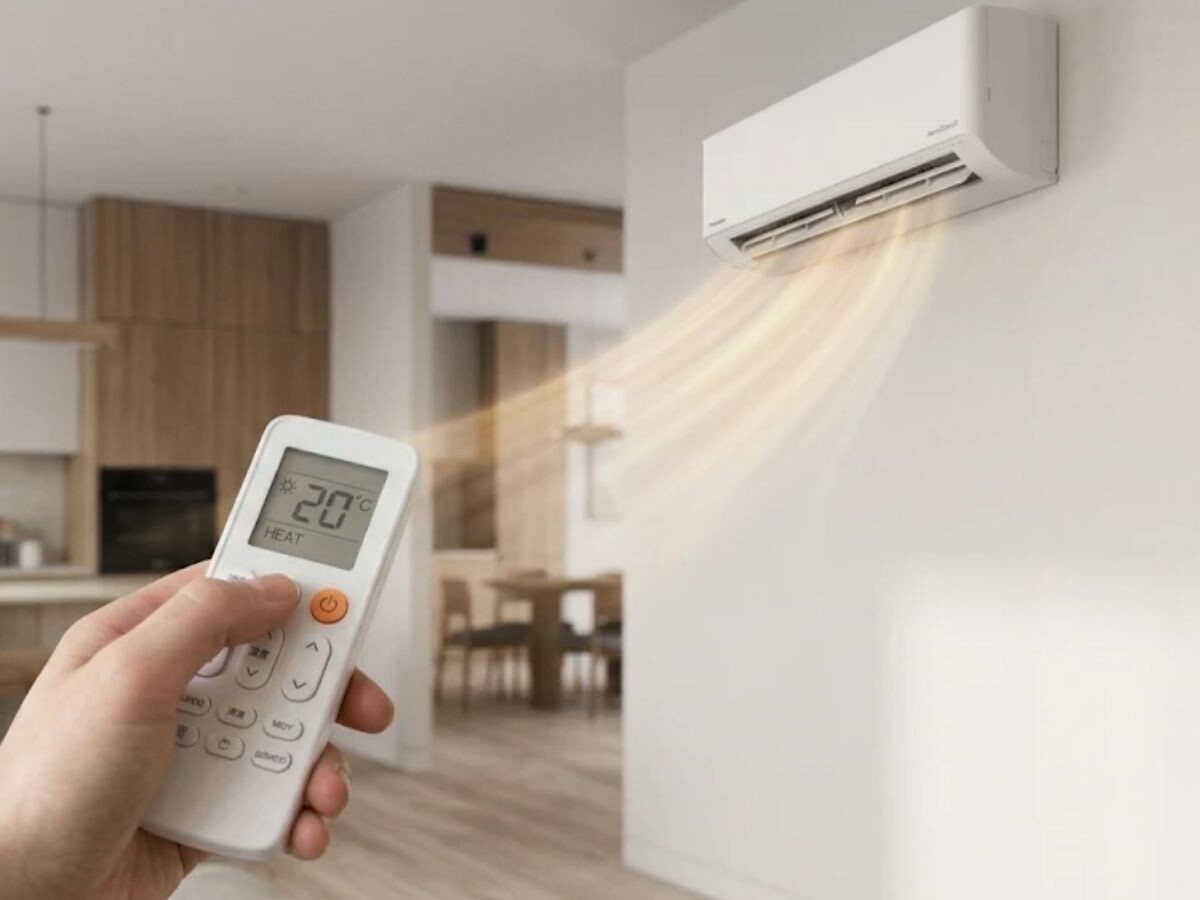
In addition, make smart use of the technology. Modern monoblock and split-unit air conditioners from AeroConsult feature a special Sleep Mode or night mode. When you turn this on, the air conditioner lowers the noise level to a whisper-quiet setting. In addition, the system very gradually adjusts the temperature by one or two degrees throughout the night, because your body needs less cooling during the deepest phase of sleep. This allows you to sleep comfortably and energy-efficiently.
Would you like to learn more about how to properly adjust and set up your air conditioning system? Be sure to read Our blog on how to properly set your air conditioner for maximum comfort at home.
Choose a good night's sleep
Sleepless nights caused by muggy heat, rising CO2 levels, and a stuffy, unhealthy indoor environment don't have to be the norm this summer. By choosing Our Air Conditioning Solutions By using devices that filter, dehumidify, and cool, you're investing directly in your health, your body's natural healing process, and your daily energy levels.
Are you ready to enjoy a refreshing, deep sleep this summer? Our experts would be happy to advise you on the perfect match for your bedroom. Contact us today with no obligation contact Contact us for personalized advice or ask directly Your free expertise Together, we'll create your ideal indoor climate!
Want to learn more about the benefits of air conditioners? Check out our latest blog posts now.