Temperatures are really starting to soar, and for many people, this is the perfect time to air conditioner to turn it on. That makes sense, because on a sweltering day, there’s nothing better than coming home to a wonderfully cool house. Still, we’ve noticed that a lot of people aren’t using their air conditioners the right way.
The result? Less comfort, a higher energy bill, and sometimes even unnecessary wear and tear on your unit. In this blog, we’ll list the most common mistakes people make when using their air conditioner in the summer and give you simple tips on how to avoid them. That way, you’ll stay cool this summer—without any surprises later on.
1. Don't turn on the air conditioner until it gets too hot
The error: Many people wait until it's already uncomfortably hot inside before turning on the air conditioner. By then, the room has already heated up to 28 or even 30 degrees, which means the air conditioner has to work much harder to bring the temperature down.
What you should do instead: Turn on your air conditioner early, preferably before the heat really sets in. It’s best to use a timer or home automation system to automatically turn on your unit in the early afternoon or when the sun first starts shining through your windows. By keeping the interior cool, you prevent walls, floors, and furniture from storing heat. That way, the air conditioner will need to use much less energy later in the day to maintain the room temperature.
2. Setting the temperature too low
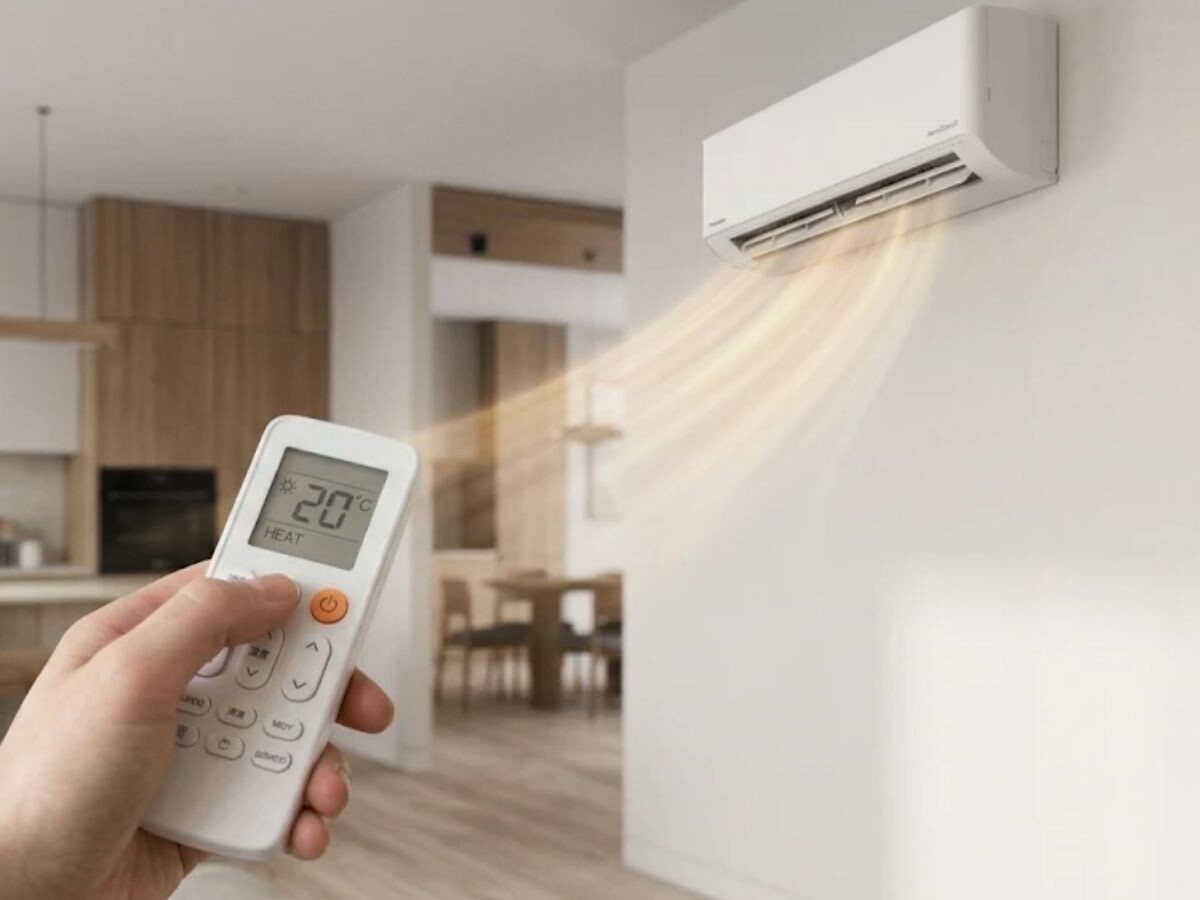
The error: Setting the thermostat to 18°C “to cool the room down faster.” This is a common misconception. An air conditioner always cools at a constant rate, regardless of how low you set the temperature.
What you should do instead: Set the temperature to a comfortable 23 to 25°C. This is enough to keep the indoors pleasantly cool without causing your body to get chilled. It also prevents the difference from the outside temperature from becoming too great, which is not only unhealthy but also leads to much higher energy consumption.

3. Running the air conditioner while windows or doors are open
The error: Many people tilt a window or leave a door slightly ajar “for some fresh air” while the air conditioner is running. That may seem harmless, but it allows warm outside air to come in, causing your air conditioner to work harder and your energy consumption to skyrocket.
What you should do instead: An air conditioner only works efficiently if the indoor environment remains sealed. All windows and doors must be closed so that the cool air is retained and warm outside air doesn’t have a chance to enter. Do you still want to ventilate? Do so early in the morning or later in the evening, when it’s cooler outside, and only then turn on the air conditioner.
4. No maintenance or insufficient maintenance
The error: Many users forget that an air conditioner, just like any other appliance, needs to be serviced regularly maintenance needs. Filters get clogged, pipes can become contaminated, and bacteria can build up.
What you should do instead: Have your air conditioner professionally serviced at least once a year, ideally just before the summer season. This will help prevent reduced performance, poor air quality, and potential damage to your unit. In addition, it’s recommended that you clean the filters yourself every two to three weeks during peak season. A clean filter is important for both performance and air quality.
5. Allowing the device to be installed in an unsuitable location
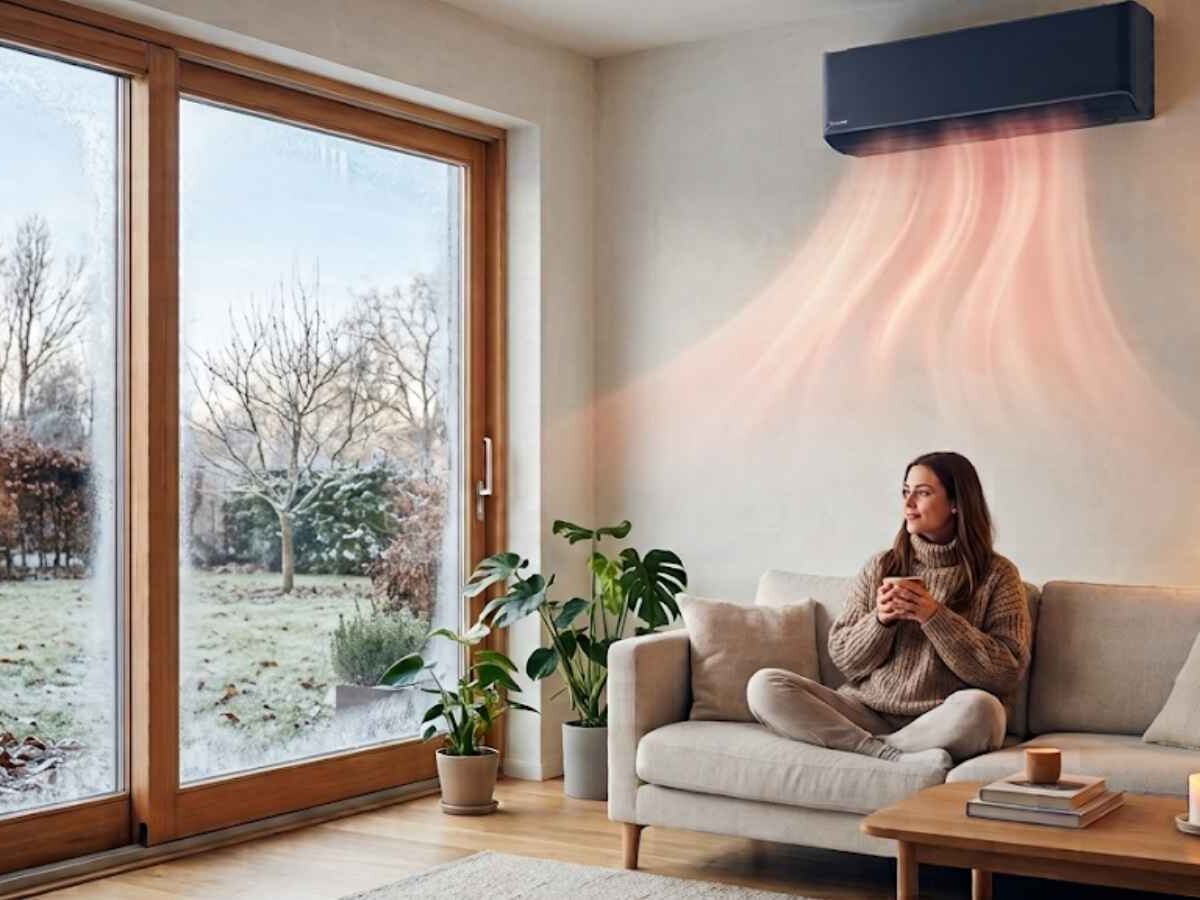
The error: A common mistake is placing the indoor unit above a sofa, bed, or desk. This causes cold air to blow directly on people, which can lead to discomfort from drafts, stiff muscles, and even colds.
What you should do instead: Have your air conditioner installed strategically. Make sure the air can flow freely into the room and isn't directed straight at people. Consult a specialist during installation to ensure the best placement, both in terms of comfort and performance.

6. Do not use sunshades
The error: On hot days, many people simply leave their curtains or blinds open. This lets a lot of direct sunlight into the house, but it also brings in extra heat. Large windows can quickly heat up your home, especially if they face south. This forces your air conditioner to work much harder to keep everything cool. That stored heat lingers for a long time. By closing curtains, roller shades, or screens in time, you can keep the heat out.
What you should do instead: Use sun-blocking measures such as roller shutters, screens, blackout curtains, or window film. These significantly reduce heat gain. When you keep the sun out, your air conditioner doesn't have to work as hard, and your space stays cool much longer.
7. Running your air conditioner for longer than necessary
The error: Some people leave their air conditioner running all day, even when no one is home. Others turn it up to full power at night, hoping to sleep better. But that often leads to unnecessary energy consumption and a bedroom that’s too cold. Your air conditioner then runs longer than necessary, which can shorten its lifespan.
What you should do instead: Use timers, sleep modes, or a smart thermostat. These let you set when the air conditioner should run and at what setting. Modern air conditioners are equipped with night modes that are quieter, more energy-efficient, and allow the temperature to drop gradually. During the day, you can make sure the air conditioner only runs during peak heat periods.
8. Choosing a piece of furniture that doesn't fit the room
The error: An air conditioner that isn’t sized properly for the room will never operate efficiently. If the unit is too small, it will run continuously without actually cooling the room. An air conditioner that’s too large, on the other hand, will cool the room too quickly without properly dehumidifying the air. In both cases, this results in reduced comfort and higher energy consumption. Therefore, always seek advice from a specialist before choosing a unit.
What you should do instead: Always have a specialist perform a cooling system calculation. They’ll take into account factors such as the size of the room, insulation, orientation, and the number of windows. This way, you can choose a unit that’s perfectly suited to your situation and is energy-efficient.

Would you like some advice about your air conditioner for the summer, or is your current unit due for maintenance? Feel free to contact with us - we will be happy to help you.
Want to learn more about the benefits of air conditioners? Check out our latest blog posts now.