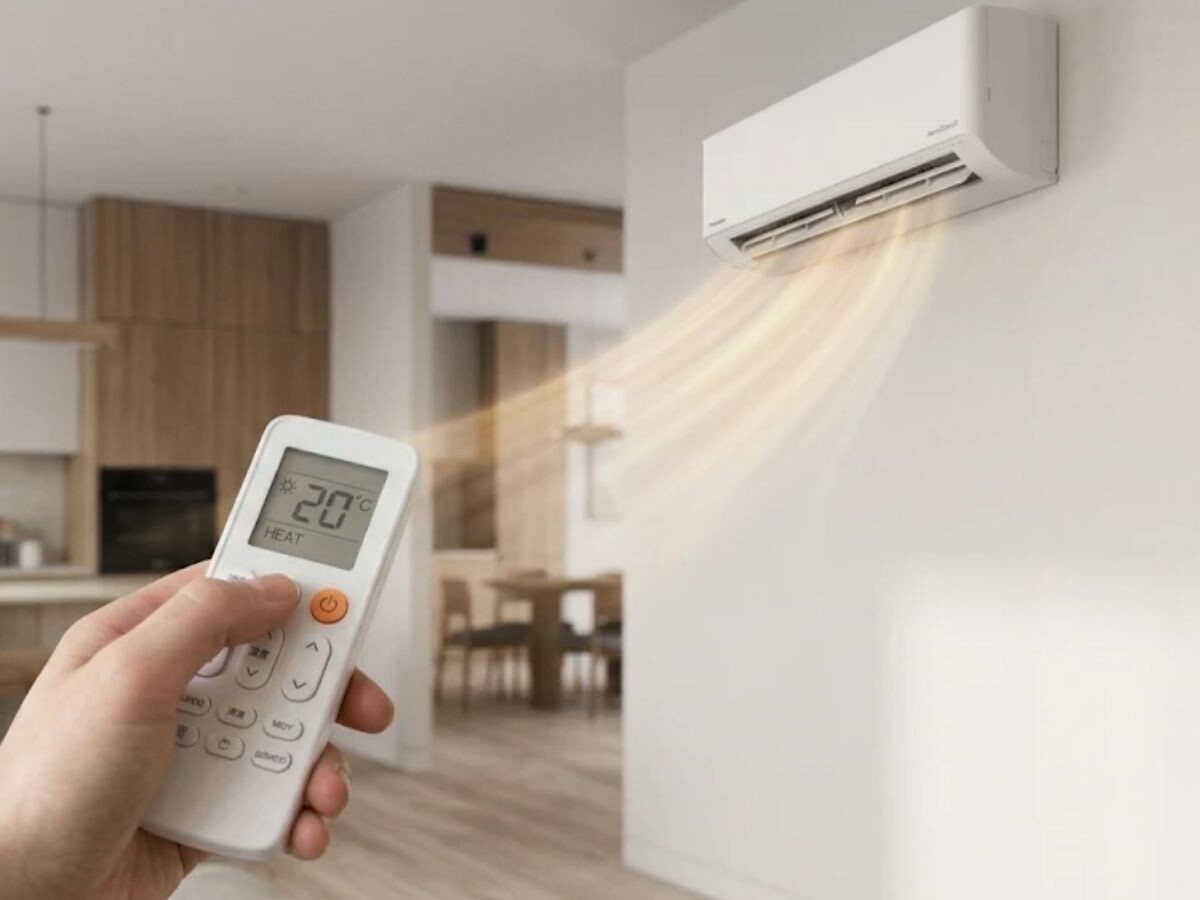
When summer temperatures in Flanders approach 30°C or even higher, as during the recent heat waves, our air conditioning goes from being a luxury to an absolute necessity. We expect a cool and healthy indoor climate at the touch of a button. But behind the scenes, it’s our air conditioning system overperformance at that moment. A heat wave is not a normal operating condition for a cooling system, but rather an extreme mechanical load.
It’s precisely at these moments—when you need the cool air the most—that most air conditioning systems break down. Here at AeroConsult We'd be happy to explain why this is the case, what the risks are in terms of your air conditioning system's lifespan, and how to keep your air conditioner running safely through the hottest days of the year.
The Realistic Lifespan of an Air Conditioner
If we look at a high-quality, permanent air conditioning system If an air conditioning system is installed by a professional, a lifespan of 15 to 20 years is standard. However, in practice, we see that some air conditioning systems start to malfunction after just 10 years, while others are still running quietly and efficiently after 18 years.
The maximum lifespan of your air conditioning system isn't a matter of luck. An air conditioning system operates year-round. In the summer, it cools; in the fall, dehumidifies It works, and in the winter it serves as an efficient heat pump for heating. Precisely because the system operates year-round, it needs an action plan to successfully reach that 20-year milestone.
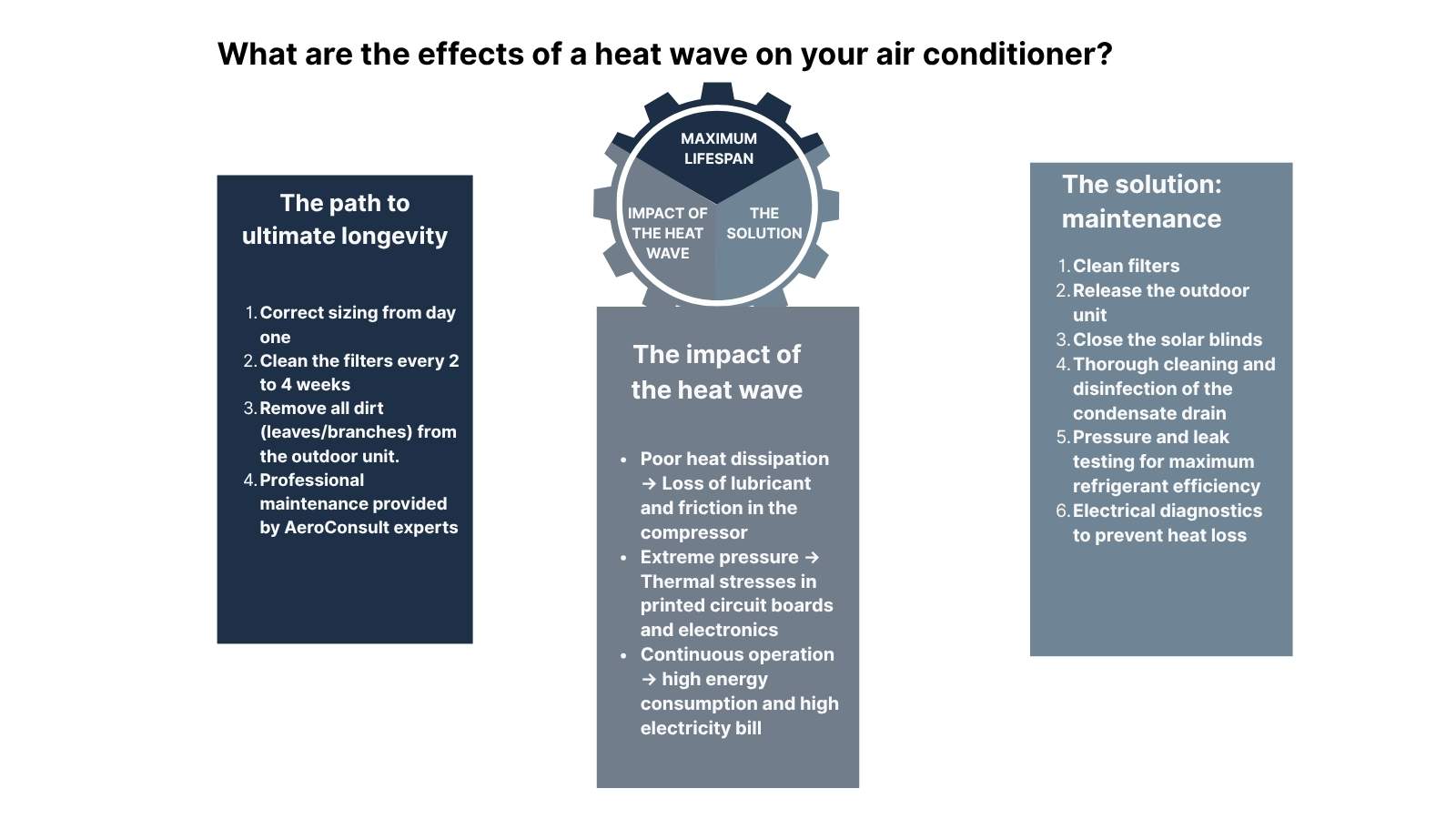
To get the most out of your investment, you should ideally follow these steps:
- Getting off to the right start: The foundation for a system’s lifespan is laid on day one. An air conditioning system that’s too small for the space has to constantly run at 100% capacity. A system that’s too large will constantly turn on and off, which is harmful to the electronics. A professional calculation beforehand is therefore the first step.
- The Monthly Breathing Space: Throughout the year, the indoor unit draws in air to condition it. In doing so, the unit also acts as a sort of vacuum cleaner for the room. By briefly cleaning the dust filters every 2 to 4 weeks, you can prevent the internal heat exchanger from becoming clogged. This is the simplest step you can take that has the greatest impact on the lifespan of your air conditioner.
- The Seasonal Change Checklist: The outdoor unit is exposed to the elements 365 days a year. Make it a habit to clear the unit’s housing at the start of fall and in early spring. If the fan becomes blocked by branches or leaves, the motor will be damaged.
- Professional maintenance: An air conditioner that runs year-round should undergo an annual deep cleaning, technical inspection, and maintenance by an expert. This is when the refrigeration circuit is pressure-tested and vital components, such as condensers, are checked as a preventive measure.
By following this cycle, you ensure that the mechanical components experience minimal resistance. This results in less wear and tear, a lower energy bill, and a system that’s effortlessly ready for when extreme heat suddenly strikes.
Why a Heat Wave Is a Challenge for Air Conditioning Technology
When the temperature in Flanders rises to tropical values, changes Your air conditioner's operating environment drastically. A heat wave isn't just warmer weather; it's an extreme situation that causes the cooling system to operate at maximum capacity. To understand why the system's lifespan suffers as a result, we need to look at what physically happens when the temperature peaks.
An air conditioner doesn't create cold; it simply moves heat around. Installation It extracts heat from the indoor air and efficiently transfers it outside, then recirculates the indoor air back into the room after it has been filtered and cooled. But during a heat wave, this process is disrupted by a chain reaction caused by various factors.
- The Law of Diminished Heat Transfer: The greater the temperature difference between two objects, the faster heat transfers. If it’s 20°C outside, the outdoor unit can easily release its heat into the cooler outside air. But if it gets to 32°C or hotter outside, the outside air is already saturated with heat. This disrupts the natural heat dissipation process, forcing the system to work much harder to still discharge the heat outdoors.
- Extreme pressure buildup in the cooling circuit: Because the outdoor unit has a harder time dissipating heat, the refrigerant remains warmer and expands. This causes a massive increase in operating pressure within the pipes and compressors. That constant, high pressure subjects the mechanical connections, seals, and valves to levels of stress that the air conditioning system never experiences during the rest of the year.
- The compressor must operate at maximum capacity at all times: The compressor is the engine and the heart of your air conditioning system. To overcome the high pressure we mentioned earlier, the compressor must run at maximum capacity. Instead of operating at a steady, controlled rate, the motor runs continuously for days at its absolute speed limit. This constant peak load accelerates internal mechanical friction and wear on the moving parts.
- Internal heat stress in electronics: It’s not just the mechanical parts that are put to the test; the circuit boards in the outdoor unit must also perform in a hot environment. Because this electronics generates heat itself and must be cooled by the same hot outdoor air, the internal temperature of the components rises to critical levels. Electronics and extreme heat are a bad combination, as it accelerates the aging of capacitors and solder joints.
- Continuous operating times: On a mild summer day, the air conditioner quickly reaches its target temperature and goes into standby mode. During a heat wave, on the other hand, the amount of heat entering a building is so great that the air conditioner has to run all day—and often at night as well. The absence of these cooling periods means that the materials do not have time to shrink and relax, which contributes to metal fatigue.
In short: During a heat wave, the normal physical processes in your air conditioner turn into a mechanical strain. Every component is pushed to its limits, and if the system isn’t optimally prepared for this, the impact on its lifespan becomes immediately apparent.
The immediate consequences of this extreme air conditioning load
When the causes mentioned persist for days on end, this inevitably has consequences. The laws of physics are inexorable. The extreme stress during a heat wave directly translates into a number of concrete, negative effects on your air conditioning system.
- Lubricant loss and accelerated mechanical wear: Inside the compressor, a special oil circulates to lubricate and cool the moving parts. Due to the extreme heat and constant pressure in the system, this oil can become thinner or migrate to places where it doesn’t belong. As a result, the compressor loses some of its lubrication, causing internal friction. This leads to microscopic metal wear that permanently shortens the motor’s overall service life.
- Premature aging of electronic components: Printed circuit boards and microprocessors that are constantly operating at their thermal limits simply wear out faster. The direct result is that electronic components can fail prematurely and for no apparent reason after a severe heat wave, sometimes even just a few weeks or months after the hot spell.
- Dried-out seals and an increased risk of leaks: The refrigeration circuit is a closed system, but the pipes are connected via mechanical couplings and rubber seals. The combination of extreme heat, vibrations caused by constant operation at maximum power, and high pressure causes these seals to dry out more quickly and lose their elasticity. This increases the risk of refrigerant leaks.
- Skyrocketing energy consumption: Because the air conditioning system operates less efficiently due to heat saturation outside, the COP (Coefficient of Performance) plummets. Your air conditioner suddenly has to draw two to three times as much electricity from the grid to remove the same amount of heat from your home. This not only has a direct impact on your energy bill, but the constant high current flowing through the wiring causes additional internal heating of the entire electrical system.
- System lockup caused by the safety sensors: Modern Air Conditioning Systems are intelligent. To prevent the compressor from literally overheating or exploding due to built-up pressure, the electronics intervene. As soon as a critical threshold is exceeded, the system shuts itself down abruptly. The immediate result is that the air conditioner stops working, leaving you stuck in the heat—just when you need the cooling the most.
These consequences show that a heat wave has a cumulative effect. It is often the last straw that finally breaks the back of an already weakened or poorly maintained air conditioning system.
A Look at Common Air Conditioning Failures During Heat Waves
If the load persists for too long and the air conditioning system is not properly prepared, specific malfunctions will occur during a heat wave.
- Ignition start capacitors: This electronic component gives the compressor the boost it needs to start up. During prolonged heat, weakened capacitors are the first to fail, causing the outdoor unit to hum but not start.
- Frozen indoor units: This may sound paradoxical during a heat wave, but if the internal airflow is obstructed, the temperature at the evaporator drops below freezing. The result is a block of ice in your indoor unit and a system that stops cooling.
- Pressure protection that shuts off: Modern air conditioners are protected against extreme overloads. If the pressure in the outdoor unit exceeds the critical limit due to heat, the computer immediately shuts down the system for safety reasons.
- Units blowing lukewarm air due to a refrigerant shortage: Under normal conditions, even a slight refrigerant shortage causes the system to perform just a little less effectively. During a heat wave, however, a refrigerant shortage causes your air conditioner’s cooling capacity to completely fail.
How can you prevent your air conditioning system from failing during a heat wave?
Fortunately, the service life and reliability of your air conditioning system largely under their own control. This involves heat exchange and maintenance is important. The harder it is for the system to vent air, the less the mechanical parts have to work.
What can you do yourself to reduce the load on the air conditioning system?
- Keep the filters clean: Clean the dust filters on the indoor unit every two to four weeks during the summer. A clean filter ensures optimal airflow and prevents the indoor unit from freezing.
- Give the outdoor unit some breathing room: Remove leaves, branches, or debris that has blown up against the outdoor unit. Make sure the vents are completely clear so the fan can blow out the warm air unobstructed.
- Be realistic about the temperature: Set the air conditioner to a comfortable 24°C to 25°C and be sure to close the shutters or blinds during the day. This will help the air conditioner keep the interior cool without overworking the unit.
Why Professional Maintenance Makes All the Difference
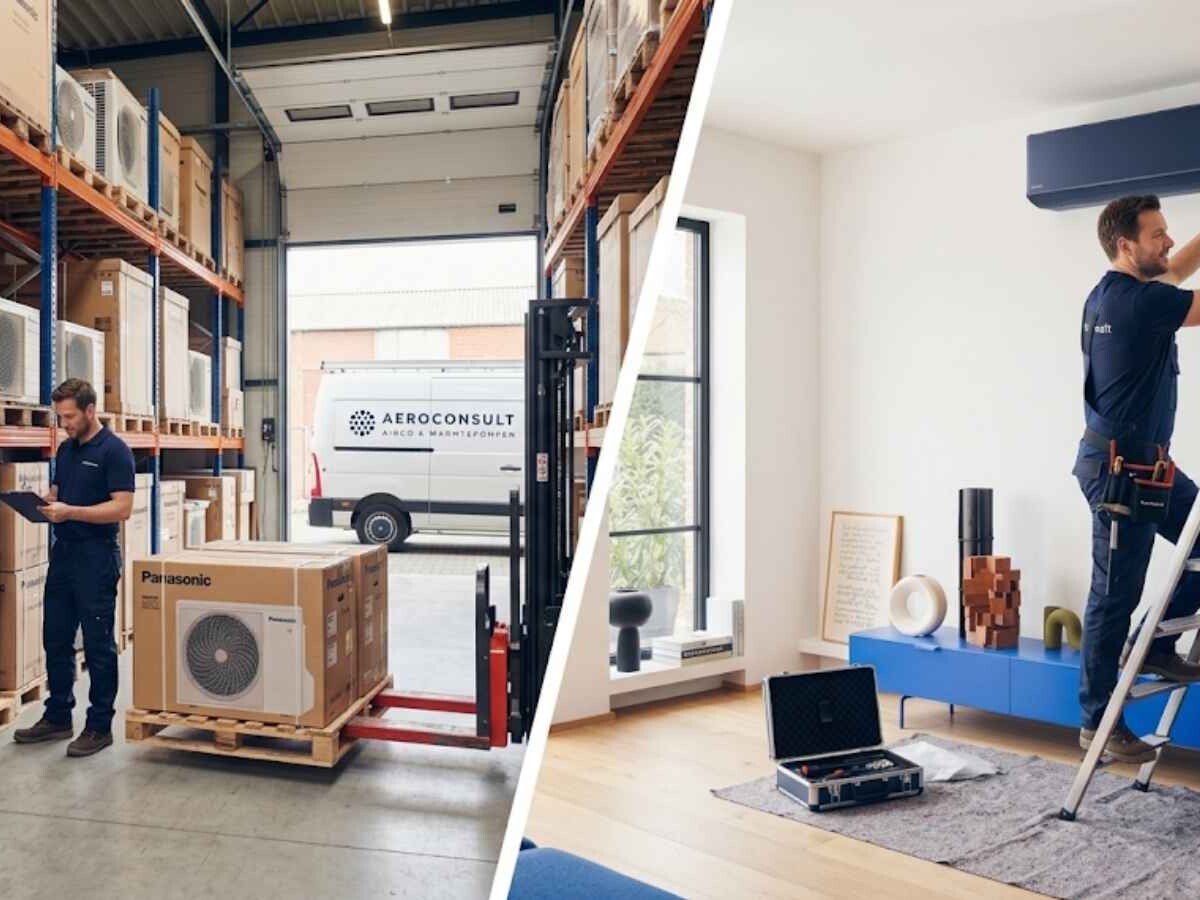
Although you can maintain the exterior and the filters yourself, the real danger lies on the inside. An AeroConsult expert looks beyond what you can see yourself during professional maintenance.
- Deep cleaning of the slats: Specialized products are used to remove grease and dust from the heat exchangers, which immediately optimizes heat transfer.
- To measure is to know: We measure the exact energy flows and check the voltage across the capacitors. This allows us to identify components that are about to burn out before the heat wave hits.
- Pressure and Leak Test: We check to make sure the closed circuit still contains the exact amount of refrigerant needed so that the system maintains its maximum efficiency even at 35°C.
Prevent your air conditioner from breaking down during a heat wave and extend the life of your system
Our advice: Don’t wait until the weather forecasts start sounding the alarm. By scheduling maintenance for your air conditioning system in the spring, you’ll start the summer with a system that’s in top technical condition. This will extend the life of your air conditioner and ensure you enjoy a cool indoor climate when it’s sweltering outside.
Is your current air conditioning system due for replacement, or would you like to schedule your annual maintenance appointment with AeroConsult today? Ask here Your free expertise . That way, you'll always be one step ahead of the summer wait times.
Want to learn more about the benefits of air conditioners? Check out our latest blog posts now.