Rising energy costs and the search for sustainable alternatives to natural gas or heating oil are leading more and more people to consider using an air conditioner for heating. Although air conditioners are primarily known for their cooling capacity in the summer, is a modern air conditioning system actually a profitable air-to-air heat pump.
But how does an air conditioner transform the cold outside air into a comfortable temperature for the ideal indoor climate? And is this technology suitable for your specific living or working environment? AeroConsult clearly explains the exact operation, efficiency, and practical considerations to you.
How it works: From cold outdoor air to comfortable warmth indoors
An air-to-air heat pump It does not generate heat itself through combustion or electrical resistance. The air conditioning system simply transfers energy from the outside air to the interior via a closed refrigerant circuit.
An air conditioning system It extracts thermal energy from the ambient air and then distributes the heated air into the desired living space.
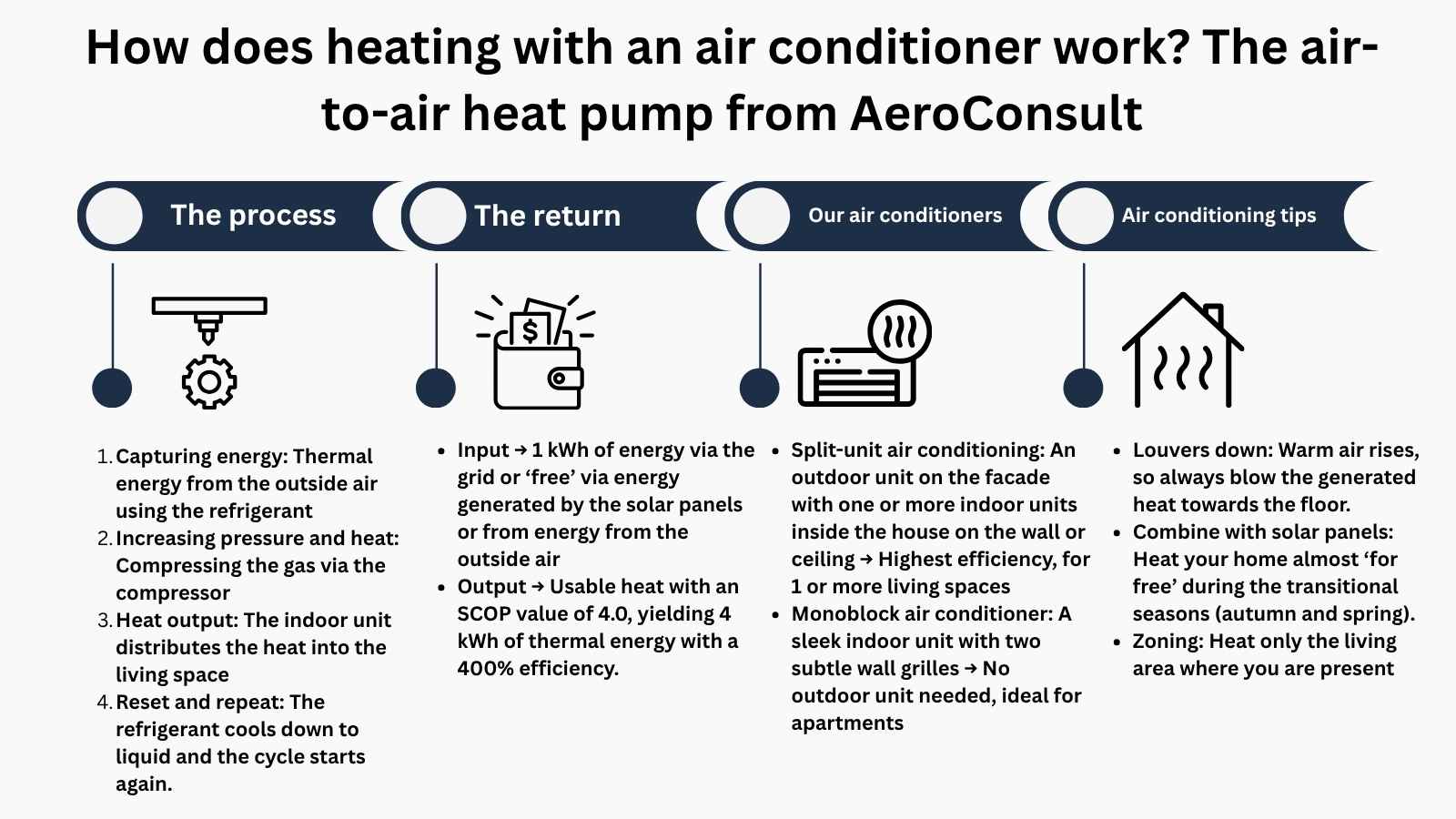
The refrigerant evaporates even at very low temperatures, thereby extracting heat from the outside air. The compressor then compresses this gas, causing the air temperature to rise sharply. The warm gas flows to the indoor unit of the air conditioner, where the fan blows the heated air into the room. After the refrigerant has transferred its heat to the living space, it cools down, condenses into a liquid, and the cycle simply starts over.
- An important difference from domestic hot water: an air-to-air heat pump only heats the indoor air. To heat domestic hot water—such as for your shower or kitchen—you need a separate heat pump system required.
Fast response time and performance in freezing weather
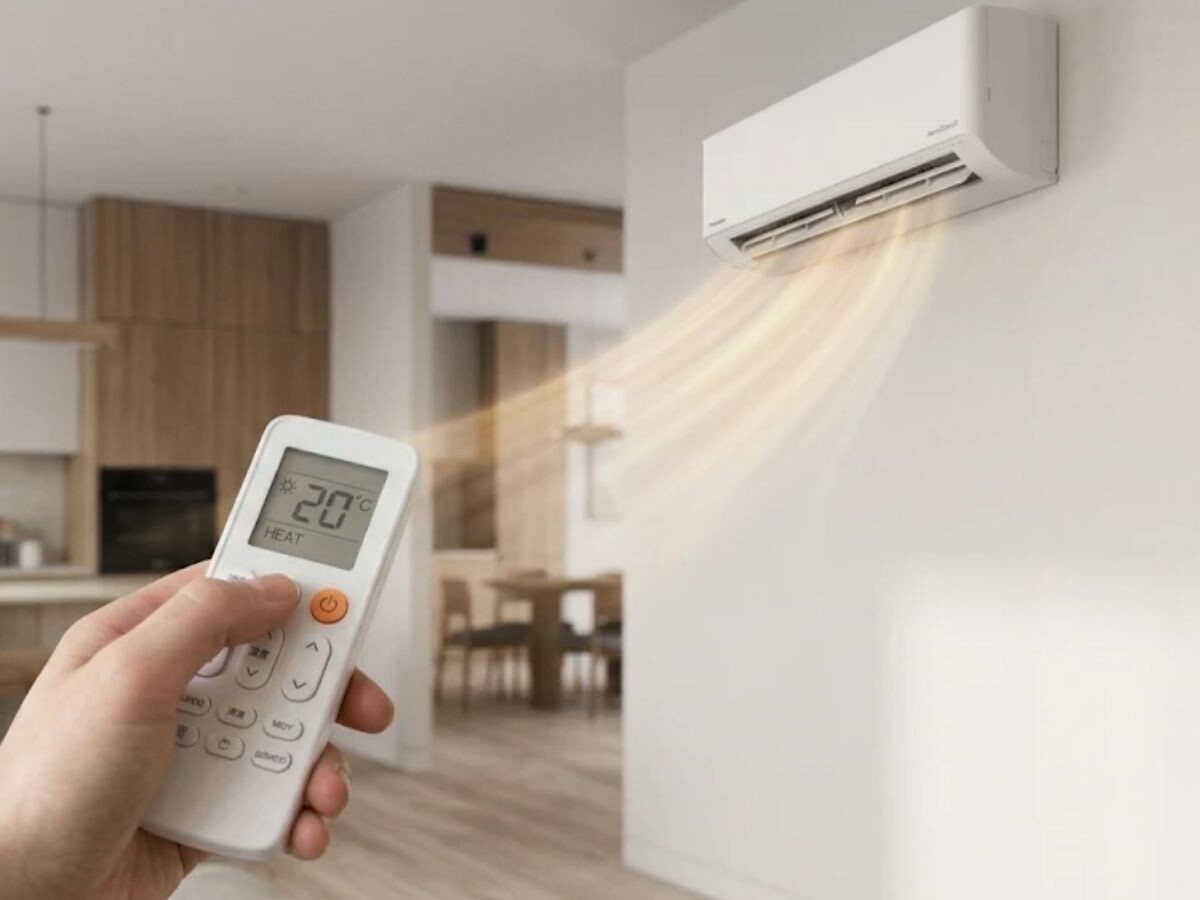
Because an air conditioner Because it emits heat through a directed airflow rather than through slow-acting radiators or underfloor heating, the unit has a very short response time. Within minutes of turning on the air conditioner’s heating function, you’ll feel the temperature in your living room or office rise.
So what happens when it freezes outside?
Air-to-air heat pumps High-quality units continue to function without problems as heaters at outdoor temperatures as low as -15 °C or even -20 °C, which are rarely reached in Belgium. After all, even at freezing temperatures, there is still usable thermal energy in the outside air. However, the greater the temperature difference between outside and inside, the more energy the compressor must supply to transfer the heat.
Efficiency of the air conditioner as a heater
The energy efficiency of an air conditioner used for heating is expressed in terms of two key concepts.
- COP (Coefficient of Performance): the efficiency at specific outdoor and indoor temperatures.
- SCOP (Seasonal Coefficient of Performance): The average efficiency calculated over an entire Belgian heating season.
How does this affect your electricity usage?
When an air conditioning system With a SCOP of 4.0, the system produces an average of 4 kWh of heat for every 1 kWh of electricity consumed. This means that as much as 75% of the heat generated is drawn from the outside air at no cost, and only 25% needs to be supplied via the power grid.
Use this simple formula to calculate the actual cost per kilowatt-hour of usable heat from your air conditioning system: the cost per kWh of heat is the price of electricity per kWh divided by your air conditioner’s SCOP value.
The Financial Comparison: Air Conditioning vs. Natural Gas and Heating Oil
To the financial benefit To clarify the difference between heating and air conditioning, we'll compare a high-quality air-to-air heat pump with a conventional condensing gas boiler.
- Natural gas: With an average gas price of about €0.09 per kWh and an efficiency of 90%, 1 kWh of heat generated by natural gas costs you about €0.10.
- Air conditioning: With an electricity price of approximately €0.30 per kWh and a SCOP of 4.0, 1 kWh of heat costs you only €0.075.
- The result: heating with an air conditioner is immediately 25% to 30% more cost-effective per kWh compared to natural gas. Compared to heating oil or outdated electric radiators, the savings can even reach 50% or more.
Why Using an Air Conditioner for Heating Is a Smart Financial Choice
In addition to high efficiency, heating with an air conditioner offers unique financial benefits for your home or business.
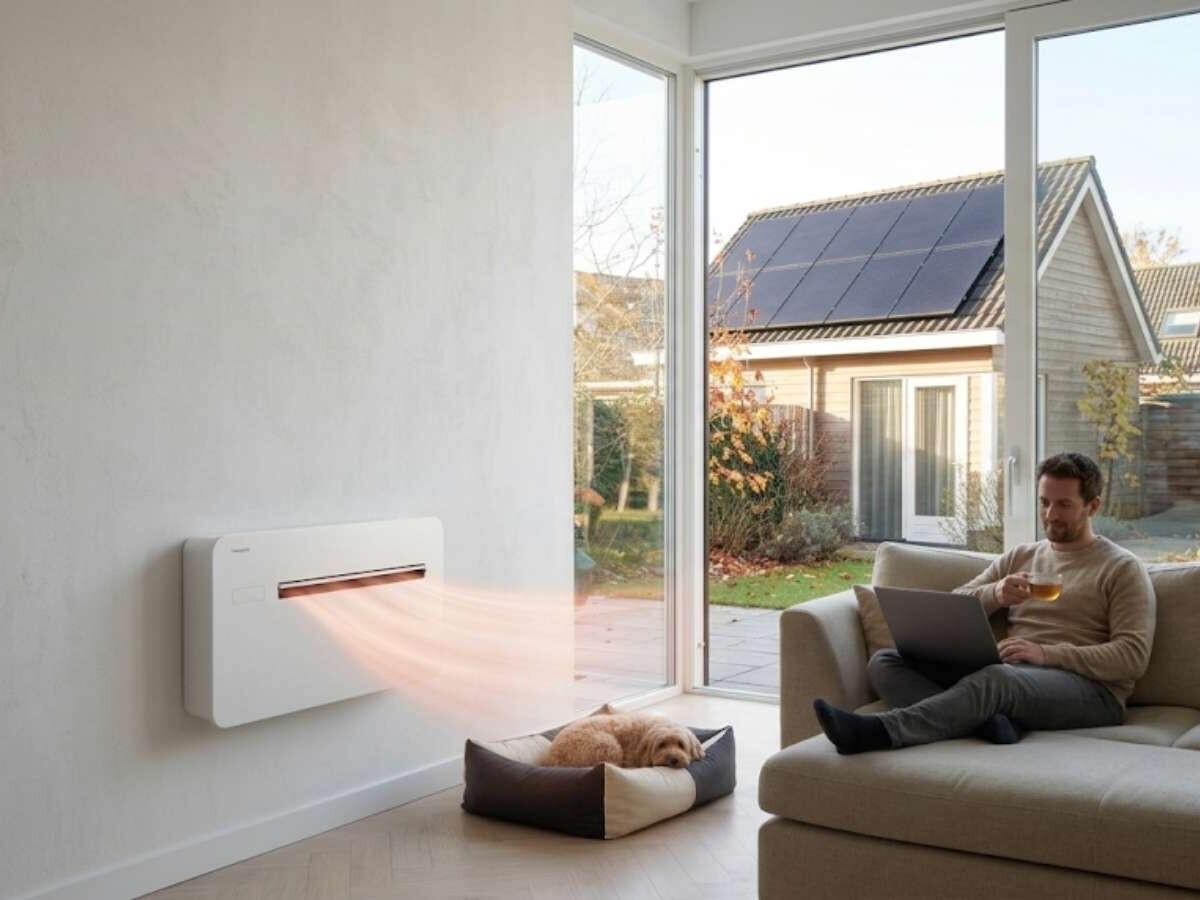
- Maximum efficiency gains when combined with solar panels: Do you have solar panels Do you have solar panels on your roof? Then using an air conditioner for heating is a financially smart choice. Especially in the spring and fall, your solar panels generate enough electricity to power the air conditioner. Instead of feeding excess solar energy into the grid for a low rate, you use your own free electricity directly for heating. The cost per kWh of heat drops to €0.00 during those times.
- Localized heating saves hundreds of euros: with traditional central heating, you often heat multiple rooms at once, including rooms you aren’t using. With an air conditioner, you can use zone heating. During the day, you only heat your home office and, for example, the living room and your bedroom in the evening. Thanks to the system’s quick response time, the heat doesn’t need to be on all day, which reduces your total energy consumption.
- No expensive startup costs during the transitional seasons: in the fall and spring, there are many days when it’s still cool in the morning but warms up in the afternoon. Starting up a traditional central heating boiler for just a few hours of heat requires a lot of energy, whereas an air conditioner brings the room to the desired temperature within minutes and then immediately switches back to minimal energy consumption thanks to smart inverter technology.
- Low investment risk and a quick return on investment: compared to major renovations, such as installing underfloor heating, this requires an air-to-air heat pump No demolition work is required, and installation costs are lower. Thanks to the immediate savings on your monthly gas or heating oil bill, the investment often pays for itself within three to six years.
AeroConsult's Solutions: Which Type of Air Conditioner Is Right for Your Home?
To efficiently heat a home or a specific living space, AeroConsult offers Two high-quality air conditioning solutions . The choice between a split-unit of a monoblock air conditioner depends on the urban planning possibilities, the spatial layout, and the desired capacity.
1. Split-unit air conditioner
A split-unit air conditioner is the best-known and most powerful solution. The system consists of two separate components: an outdoor unit that draws energy from the outside air and one or more indoor units that distribute the heated air throughout the home or a specific room.
- Single-split: an indoor unit connected to an outdoor unit. The ideal and efficient choice for heating a specific living space, such as a home office, the bedroom or the attic.
- Multi-split: multiple indoor units connected to a single, powerful outdoor unit. This allows you to heat different rooms in your home or office independently of one another.
- Advantages: Split-unit air conditioners offer the highest energy efficiency, have extremely quiet indoor units, and are suitable for larger living spaces.
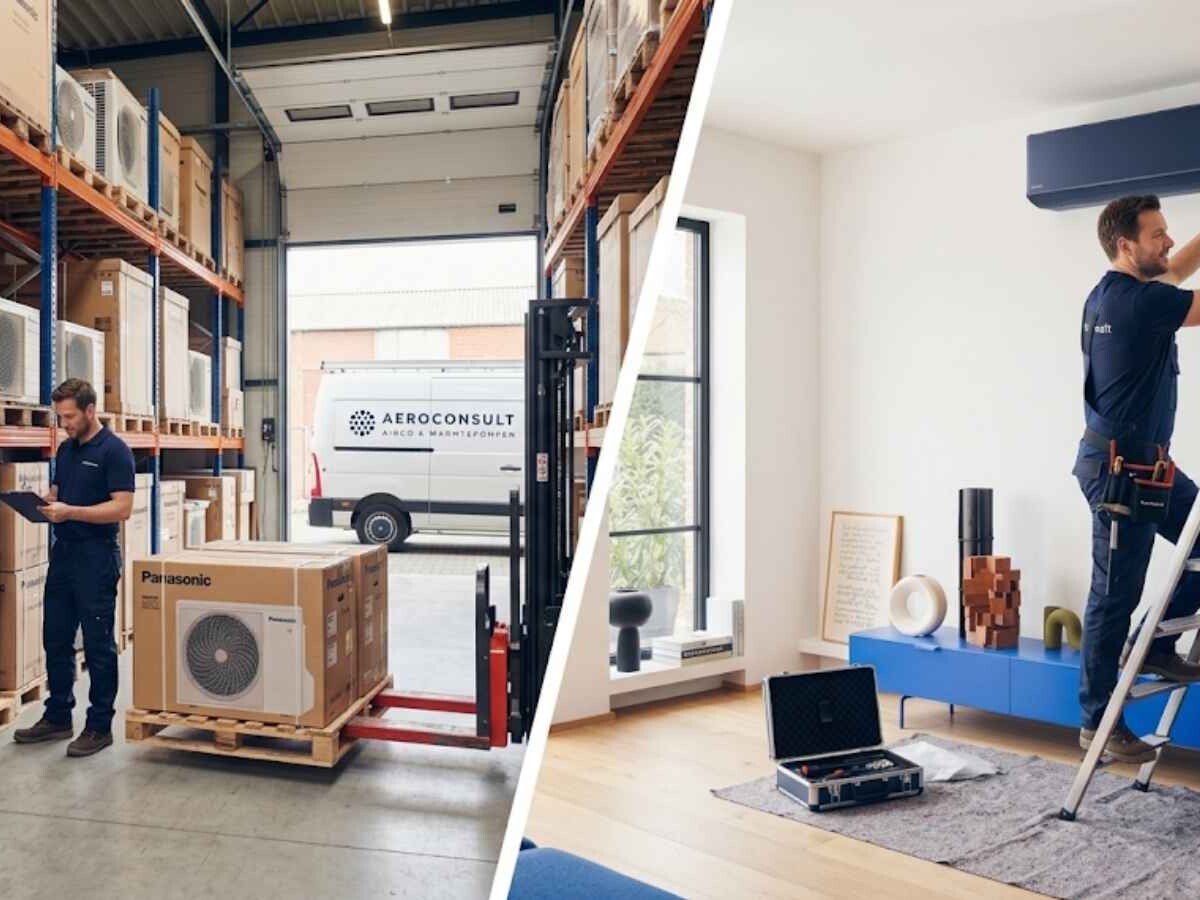
- Legal framework: Due to refrigerant regulations, a split-unit air conditioner must be installed by a certified F-gas installer, such as AeroConsult.
2. Monoblock air conditioner
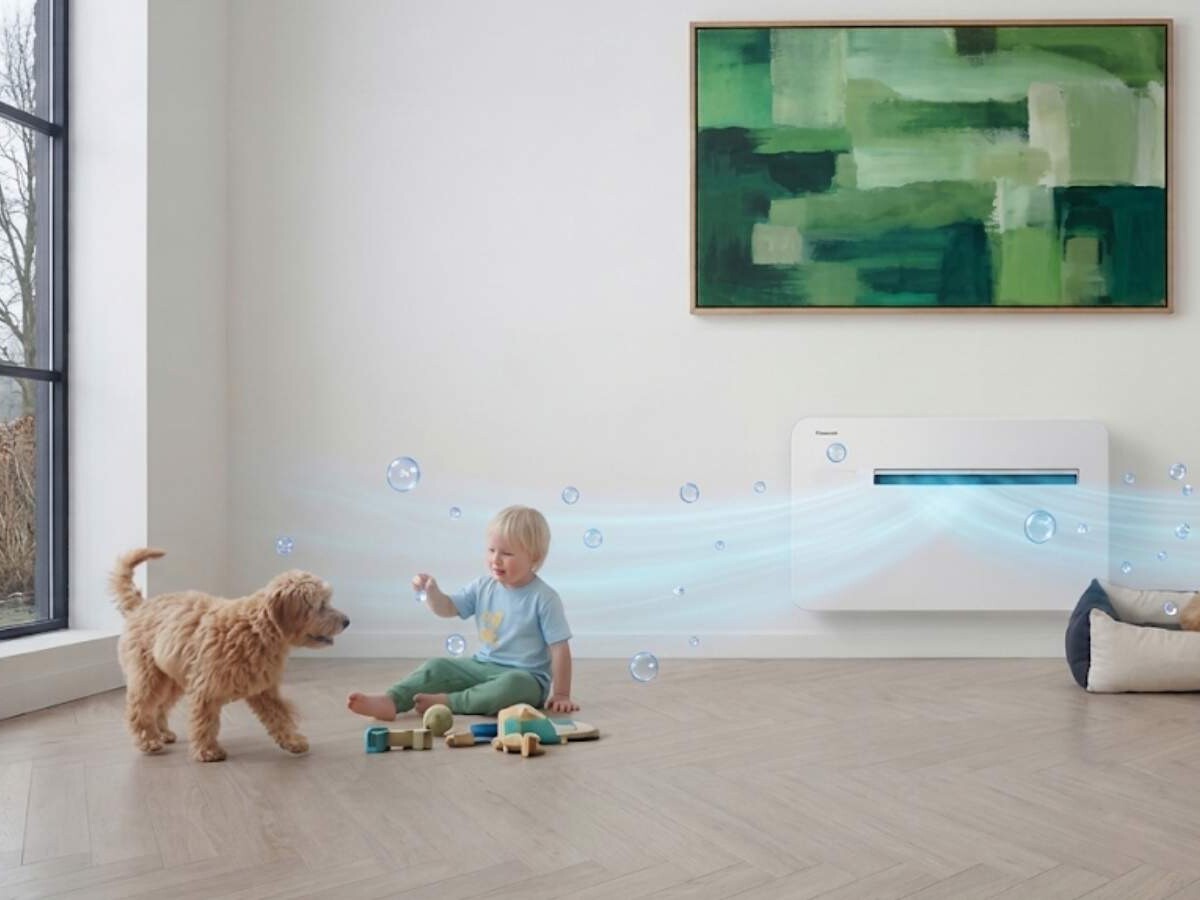
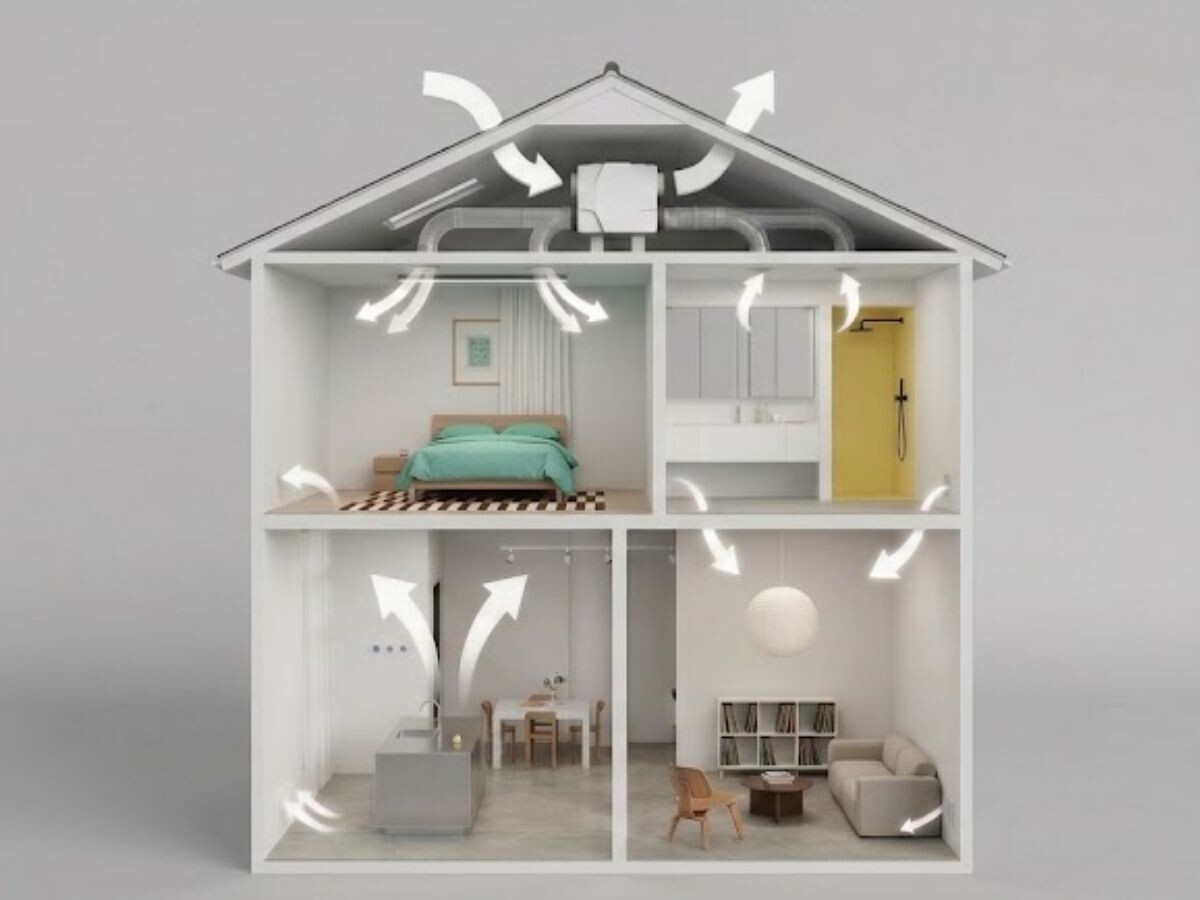
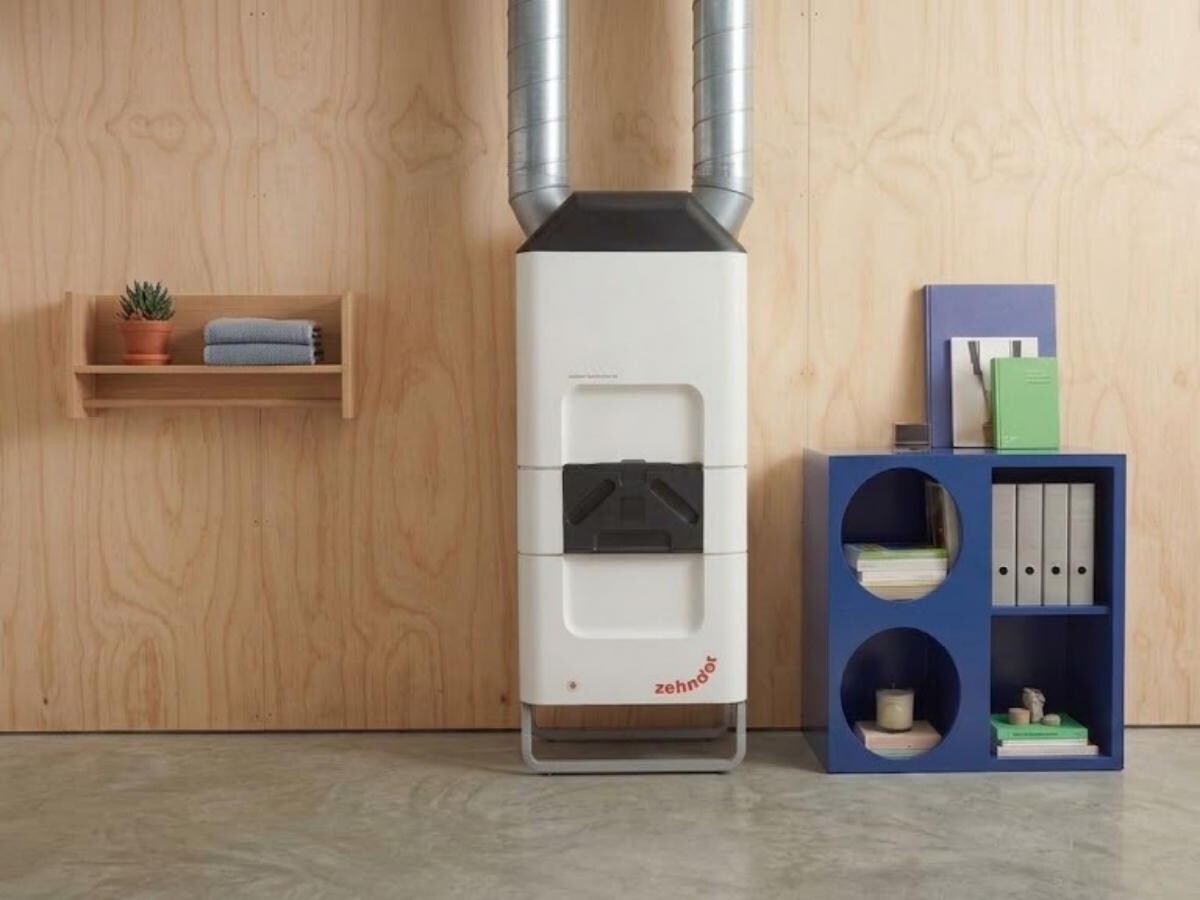
A monoblock air conditioner is an innovative all-in-one solution. All technical components, such as the compressor and the condenser, are housed in a sleek indoor unit that is mounted directly against a wall or the ceiling. Outdoor air is drawn in and expelled through two discreet grilles in the exterior wall.
- When to choose one?: A monoblock air conditioner is ideal for apartments, buildings with protected facades, historic buildings, or situations where an outdoor unit cannot or may not be installed.
- Advantages: There is no unsightly outdoor unit, it has a sleek design, it is compact, and it does not require any complicated cooling pipes on the exterior wall.
- Application: This air conditioner is suitable for quickly and efficiently heating individual rooms such as a bedroom, office, or compact living space.
Practical Air Conditioning Tips for Winter
To get the most out of your air conditioning system To achieve this and ensure optimal comfort, there are a few specific operational characteristics you should keep in mind.
- The automatic defrost cycle: During the damp, cold Belgian winter days, ice can form on the outdoor unit or the external wall grilles. To address this, the air conditioner automatically switches to a brief defrost cycle. Heat output to the interior is then paused for three to eight minutes to allow the ice on the air conditioning system to melt. This is a protective process designed to the air-to-air heat pump.
- Zoning and airflow: Air does not move on its own through closed doors or walls in your home. That’s why a single indoor air conditioning unit can never heat an entire floor of your home. A smartly designed split-unit system or a strategically placed monoblock air conditioning ensures that you can control each room independently for optimal comfort and minimal energy costs.
- Strategic placement for optimal comfort: warm air naturally rises. To ensure pleasant heat distribution throughout your home without drafts, we at AeroConsult recommend pointing the louvers downward. This ensures that the warm air is directed toward the floor, preventing drafts. You may also want to consider floor-standing models from our air conditioners. These blow heat directly into the living area. Also, avoid direct airflow—so never blow warm air directly onto seating areas or desks in the room.
The smartest step toward an energy-efficient and warm indoor environment
Heating with an air conditioner is no longer just a temporary stopgap solution, but a fully-fledged, sustainable, and efficient air-to-air heat pump. By making smart use of ambient energy from the outside air, you can turn a high energy bill into an affordable monthly payment, especially when you combine this with solar panels and targeted zone heating. Whether you choose a powerful split-unit air conditioner or a compact monoblock air conditioning Without an outdoor unit, you're investing in a sustainable climate solution that provides your home with the perfect indoor climate 365 days a year.
Ready to start saving on your heating costs this winter? Would you like to know exactly how much you’ll save by heating with an air conditioner, or are you unsure which air conditioning system is best suited for your home? Our experts will analyze your specific situation and calculate the ideal capacity for optimal efficiency—with no obligation. Ask today Your Free Expertise custom-made.
Want to learn more about the benefits of air conditioners? Check out our latest blog posts now.